

A personalised vaccine puts an end to recurrent urinary infections
This is confirmed by a study from Parc Sanitari Sant Joan de Déu, which isolates the bacterium causing urinary infections to promote individual and precision therapy
This vaccine could become a real and effective alternative to antibiotic treatment for a year
Hormonal changes in women during the menopause make them much more prone to suffering from this disease
A personalised vaccine could reduce the dependence on antibiotic treatment to resolve recurrent urinary infections, according to a study led by Dr Vicens Díaz de Brito, head of the Infectious Diseases Service at Hospital SJD Sant Boi. This vaccine, which would have an efficacy of one year, perfects the use of immunotherapy in the treatment of a pathology especially prevalent in women, often associated with hormonal changes resulting from the menopause.
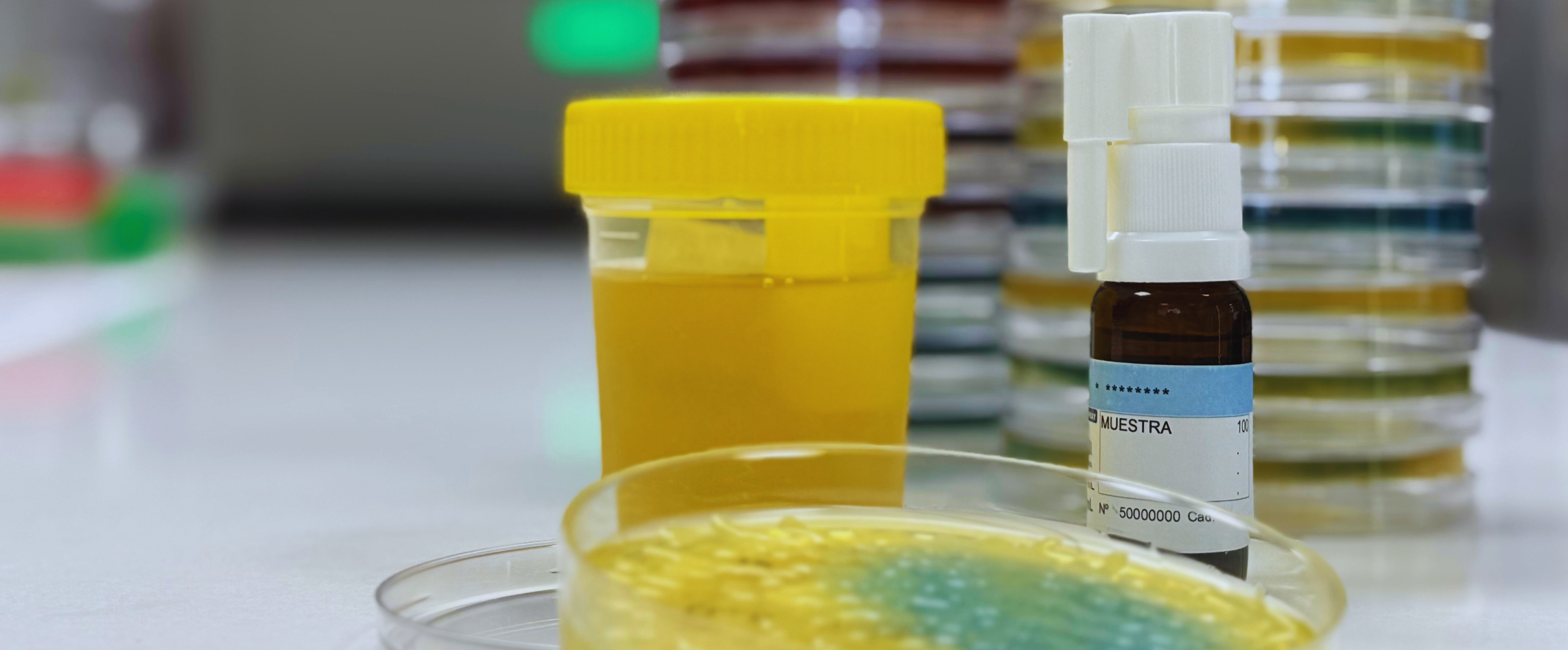
The main novelty of this strategy is that the vaccine is manufactured from the same bacterium that causes the infection of each patient. To do this, the laboratory at Hospital Sant Joan de Déu Sant Boi isolates and purifies the bacterium, and subsequently, a specialised laboratory prepares a personalised vaccine. “This allows the treatment to be adapted to each specific case”, explains Dr Díaz de Brito.
This research, in which fourteen professionals from Parc Sanitari SJD participated, has been carried out with around a hundred women with an average age of 70 who suffered from recurrent urinary infections (two or more in six months or three or more a year). In the case of the participants in this study, the situation was particularly serious, with an average of four infections in just three months. Urinary tract infections are one of the main causes of hospital admission in older people.
This fact, together with the recommendation of the World Health Organization to limit the use of antibiotics, drives research into immunotherapy, a more effective and sustainable treatment. Until now, this treatment was produced using standard bacteria available in laboratories, but Dr Díaz de Brito's team has gone a step further and developed a personalised strategy: they isolate the bacterium that causes the infection in the laboratory at Hospital Sant Joan de Déu Sant Boi. This bacterium is then sent to an external laboratory that prepares a specific vaccine for each patient.
Fewer infections, better emotional health
The results of the study are encouraging, because three months after vaccination, 51% of the participants did not record any urinary infection and, in 40% of the cases, they remained infection-free for the rest of the year. Furthermore, the treatment presents a very favourable safety profile: only 6% of the users experienced a mild local irritation after administration.
Beyond the clinical results, the improvement in the patients' health has also allowed observing a significant improvement in their emotional well-being, a fact that highlights the global impact of this new therapeutic approach.
A specialised unit
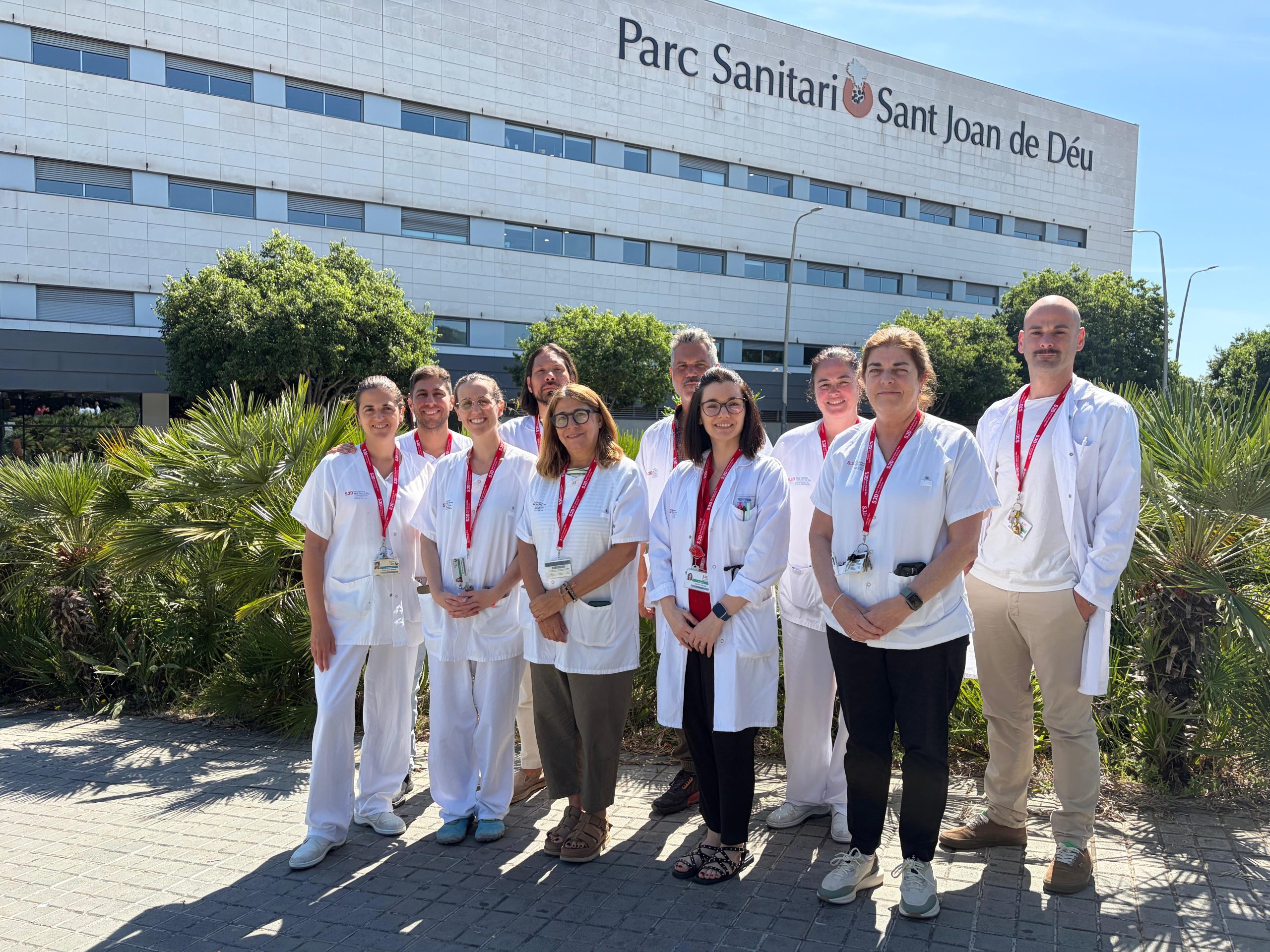
This study has been promoted by professionals from the Functional Unit for Recurrent Urinary Tract Infections at Hospital Sant Joan de Déu Sant Boi, which has been in operation for only a year. This multidisciplinary unit, made up of specialists in Infectious Diseases, Allergology, Pharmacy, Gynaecology, and Urology, and very uncommon in Spanish hospitals, was set up to offer specialised and comprehensive care to patients with this pathology.
The research carried out stands out for the innovative approach in its design, since the study has been led by specialists in infectious diseases, unlike previous investigations, which were focused on the field of Urology, something that has aroused the interest of the European scientific community along with experts from the United States.