

The Minister for Social Rights learns about the Recupera't programme and the AIDA project
Both projects are moving towards an integrated social and health model for people with highly complex needs, ensuring continuity of care, rights and a real impact on quality of life.
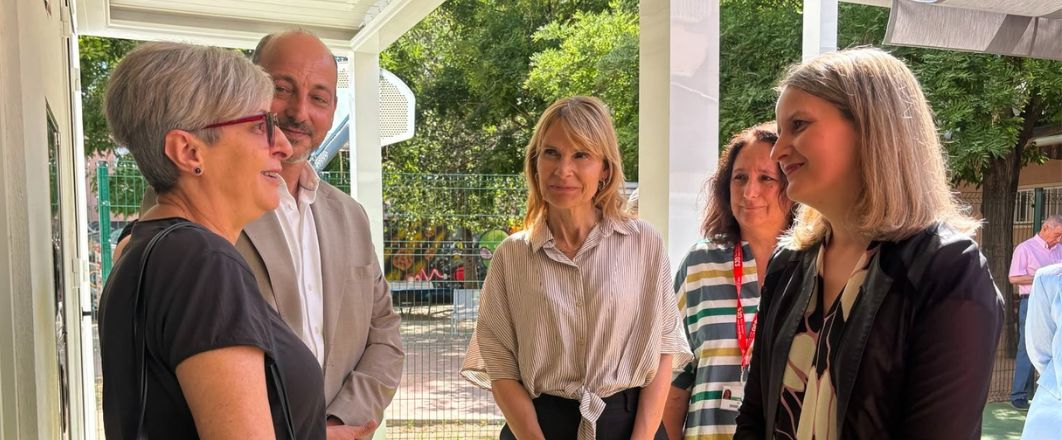
Mònica Martínez Bravo, Minister for Social Rights and Inclusion in the Government of Catalonia, visited Parc Sanitari Sant Joan de Déu to learn more about two innovative initiatives in intellectual disability and mental health: the Recupera’t unit and the AIDA project.
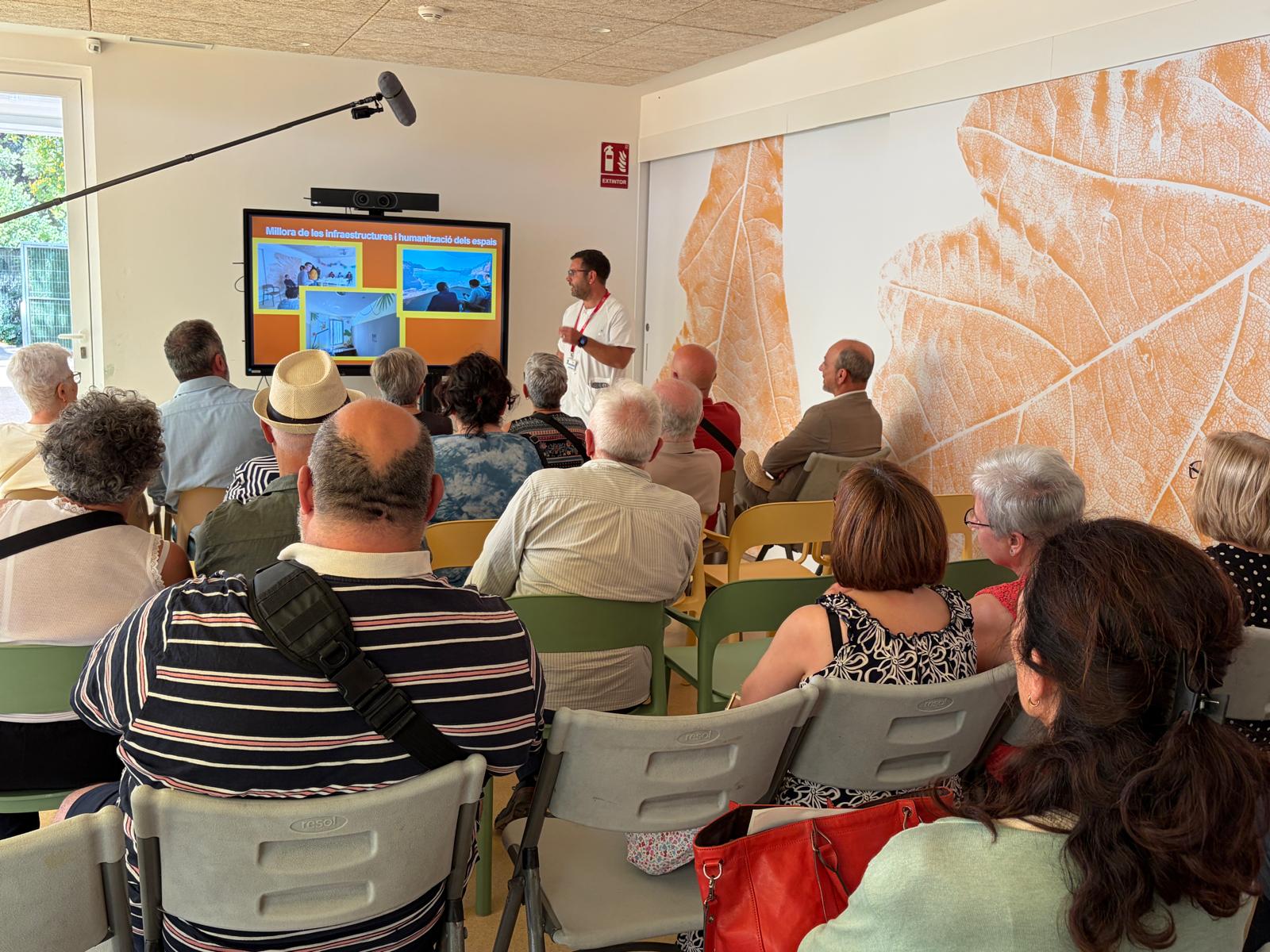
During the visit, Dr Sebastià J. Santaeugènia, Parc Sanitari Sant Joan de Déu's CEO, outlined to the Regional Minister the institution’s commitment to a holistic care model which blends health and social resources to meet the needs of people with intellectual disabilities, mental health conditions and highly complex circumstances.
Parc Sanitari has a network of care, teaching and research facilities spread across the region which support a person-centred, long-term care model. This model reaches beyond clinical intervention and emphasises continuity of care following discharge, ensuring a social and community setting which helps consolidate recovery, fosters inclusion and enhances quality of life.
Recupera't; continuity of care within the community
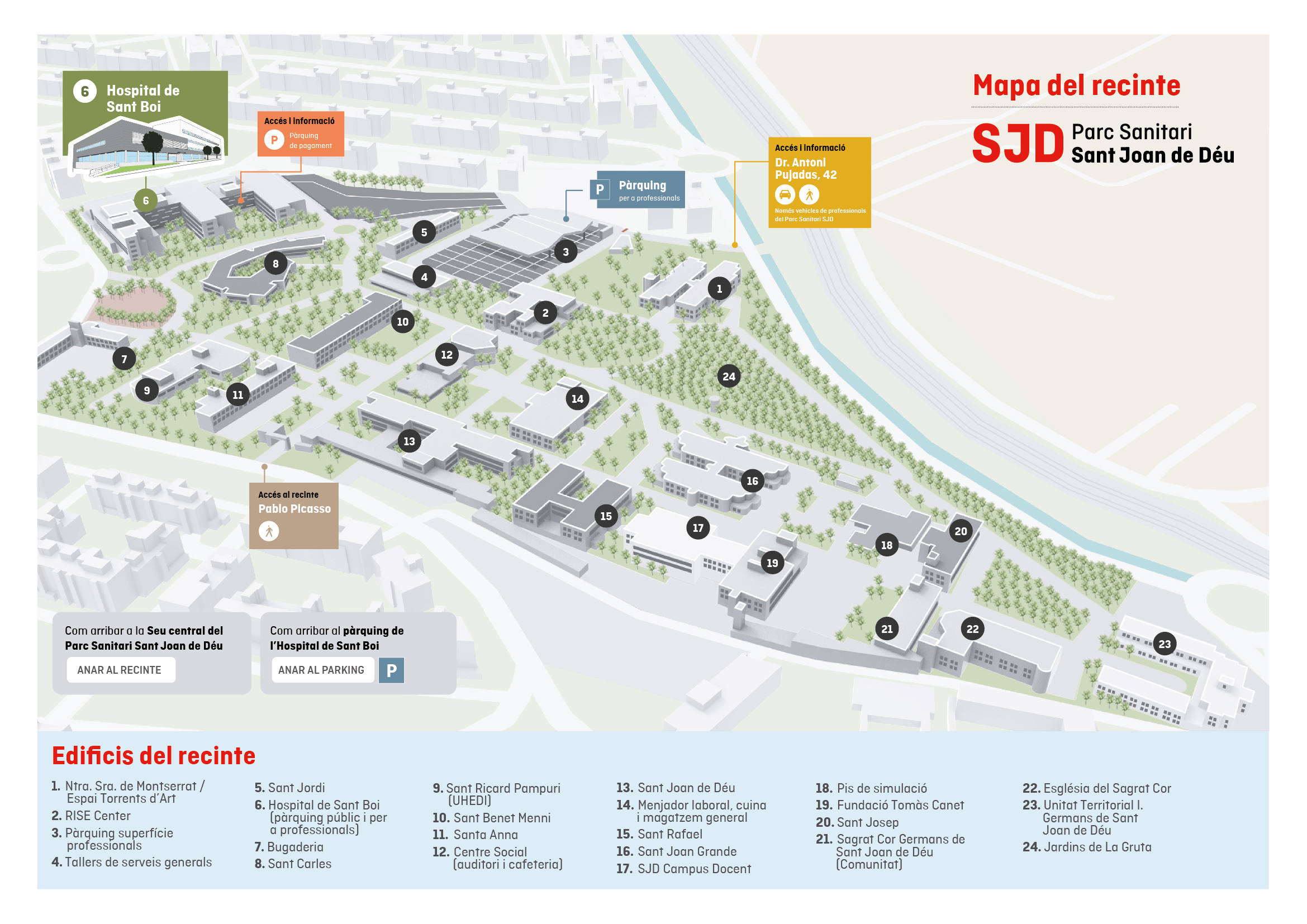
The visit kicked off at the Sant Carles building where the Recupera't unit was presented; a new specialised care model for young people aged between 14 and 25 with intellectual disabilities, mental health conditions and highly complex behavioural, social and family issues. The programme delivers comprehensive care based on the QualityRights principles. The unit currently has 15 places and has already supported around fifteen young people from across Catalonia.
AIDA; technology and person-centered care
The group then called in at the Sant Ricard care home to learn about the AIDA project (Comprehensive Care for People with Disabilities, Advanced Model). Started up in 2023 following a donation, the project is transforming the model of residential care for adults with moderate or severe intellectual disabilities and associated mental health or behavioural disorders. The initiative taps new rehabilitative and therapeutic activities, including hydrotherapy, music therapy, equine therapy and technology-based immersive experiences, while also reworking facilities, ramping up professional teams and encouraging greater family engagement.
The project's initial results reveal a significant improvement in residents’ quality of life and adaptive skills, an increase in participation in activities, and extremely high levels of satisfaction for service users and their families alike. AIDA is thus proving itself to be an innovative, person-centred and evidence-based care model with the potential to inspire the development of specialist services in Catalonia.
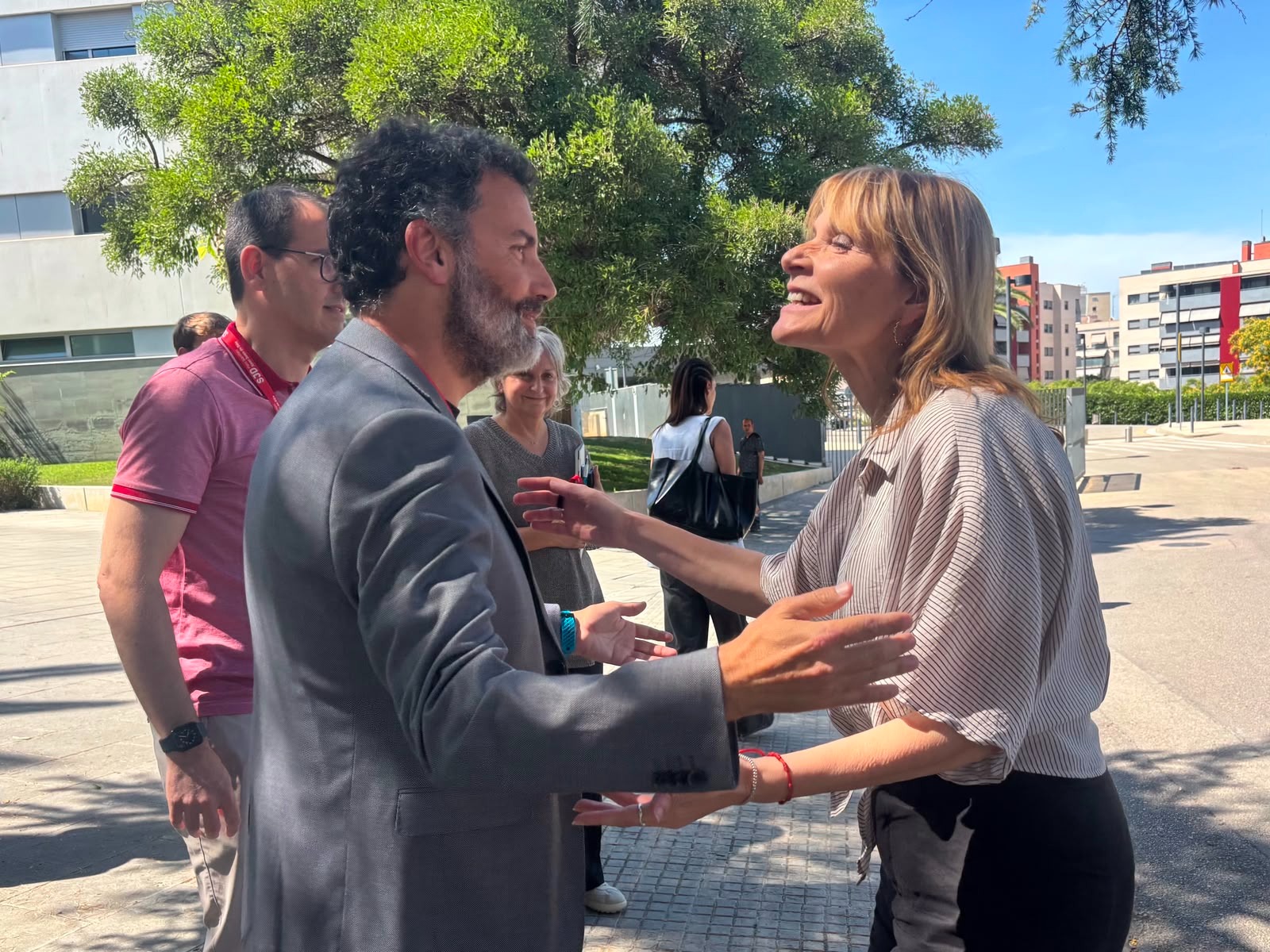
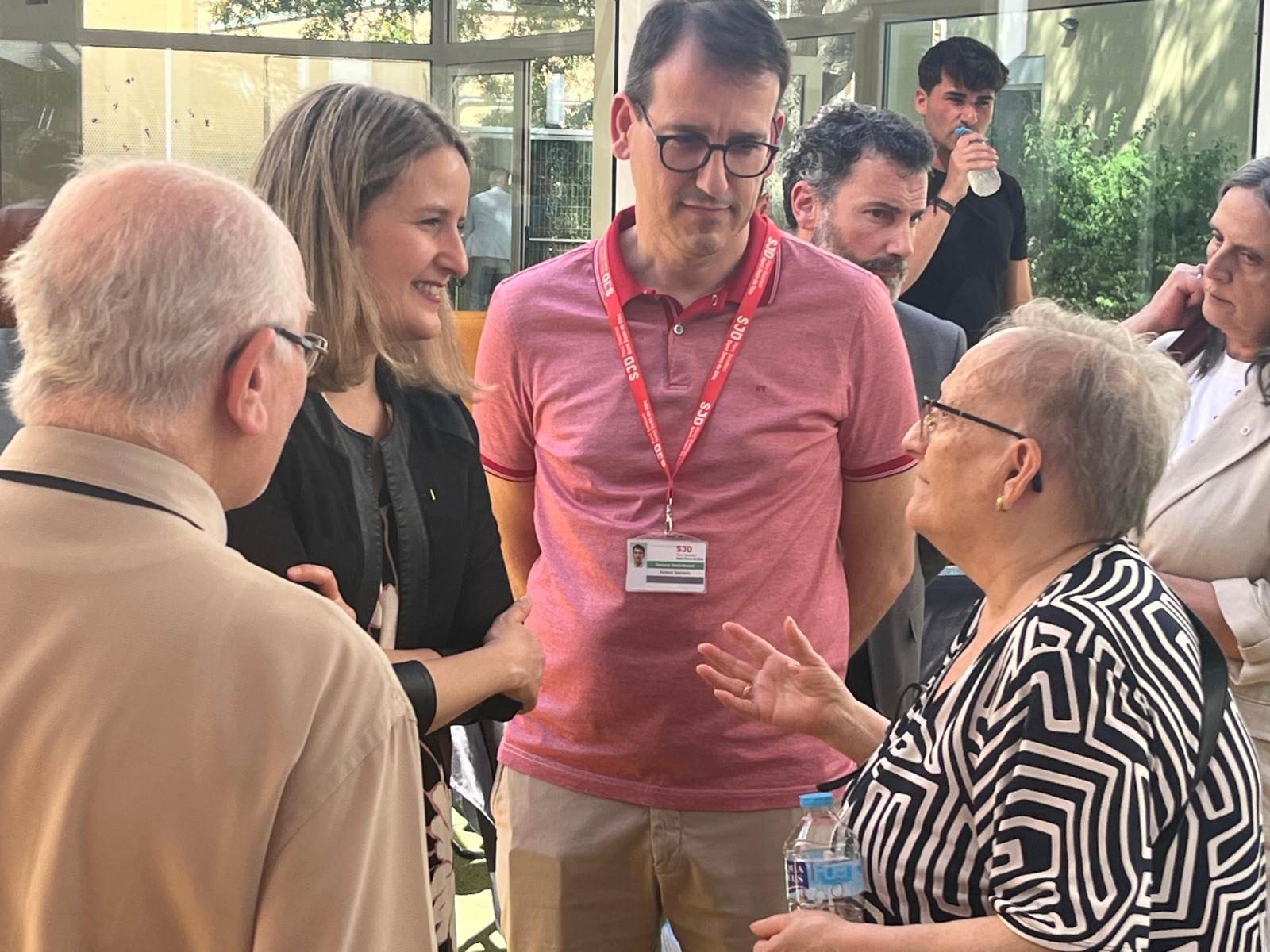
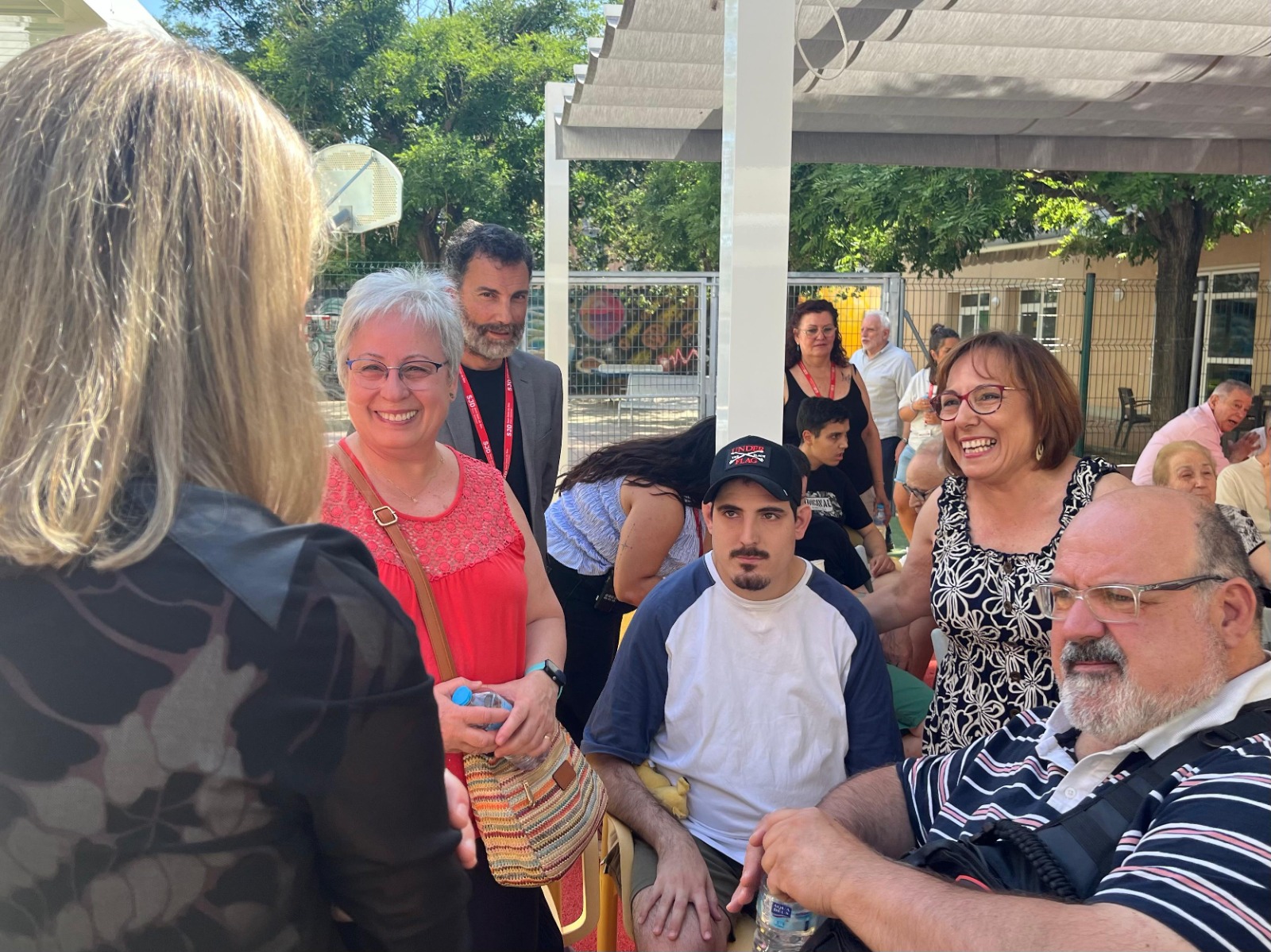
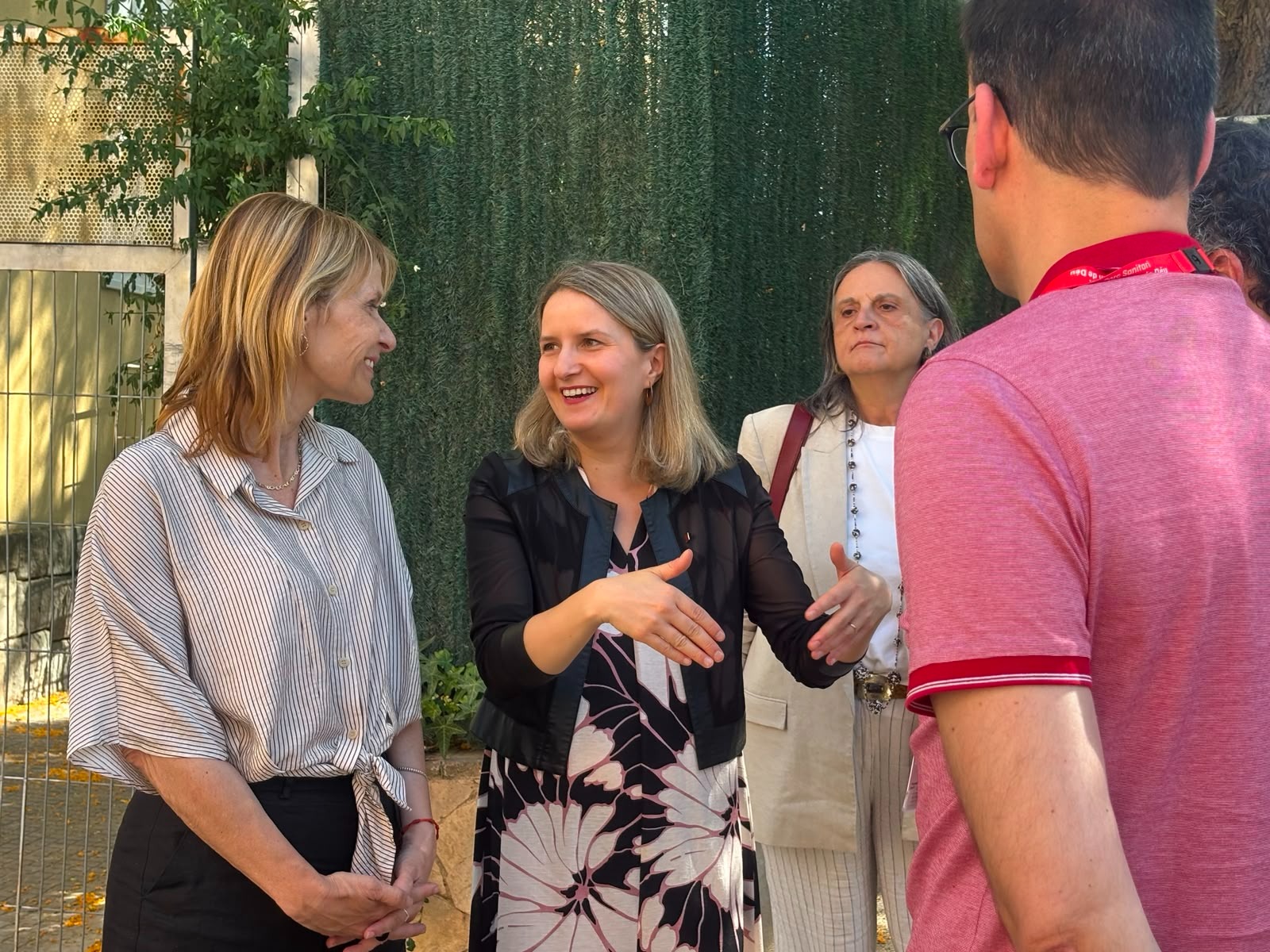
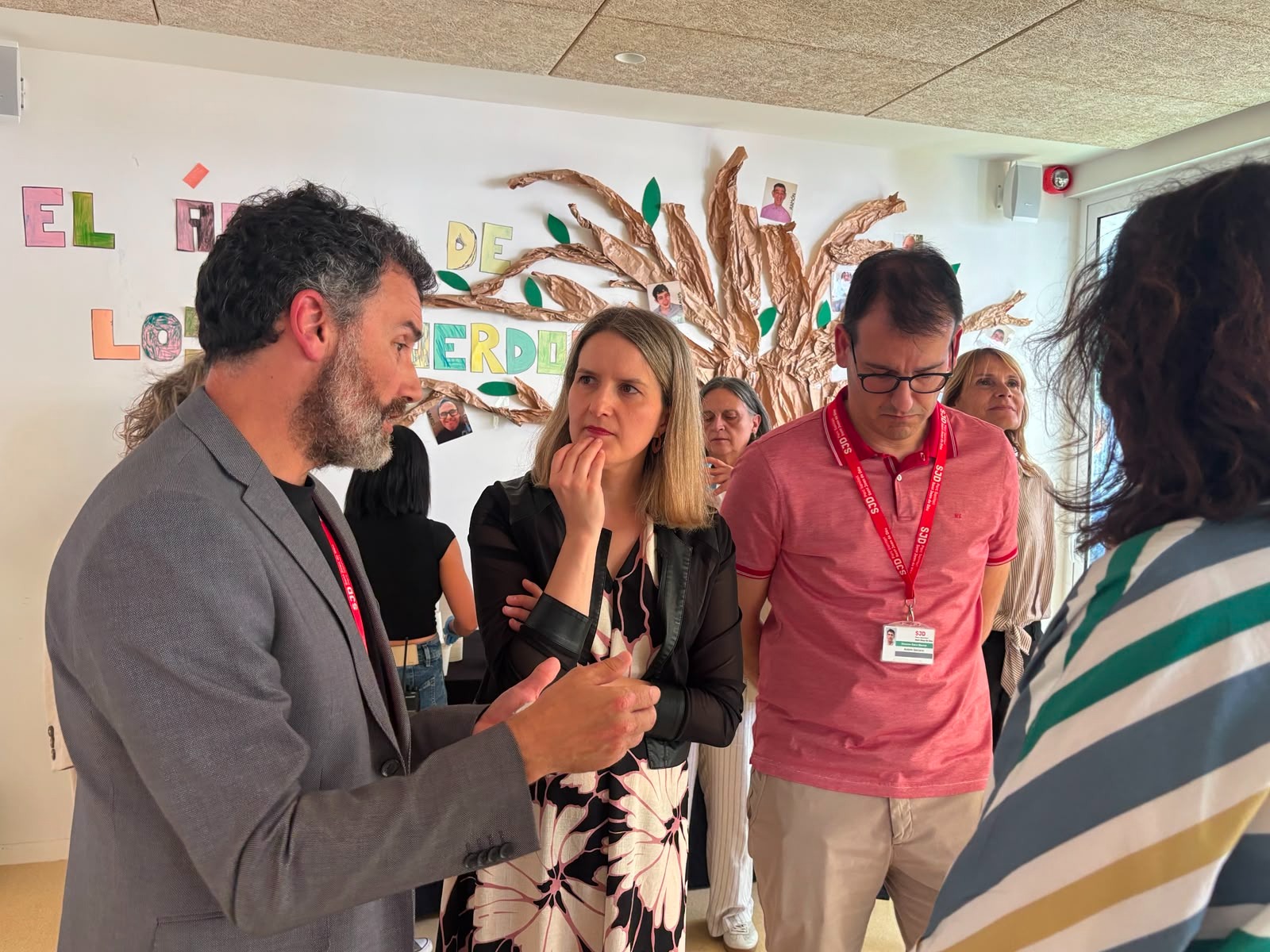
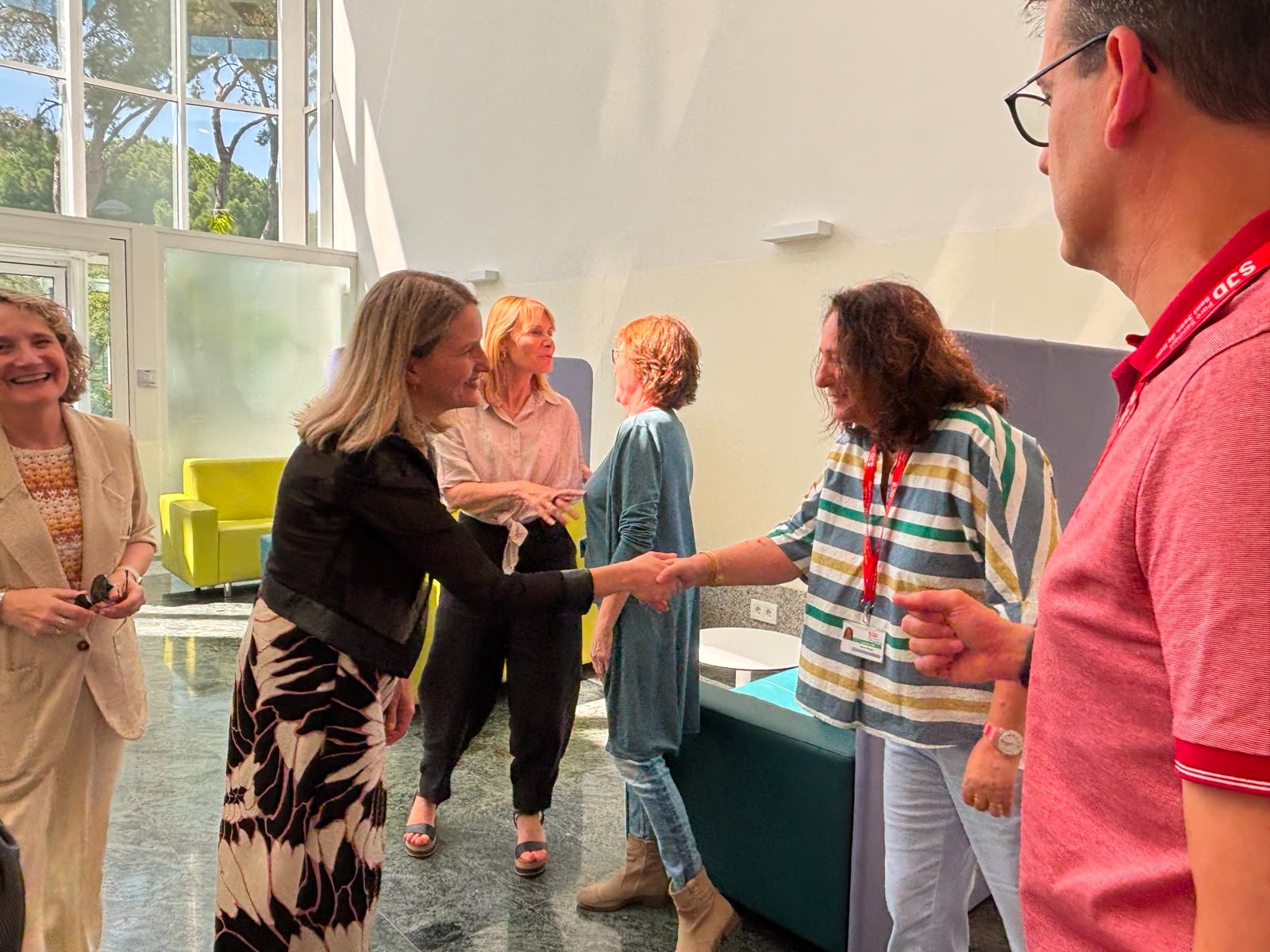
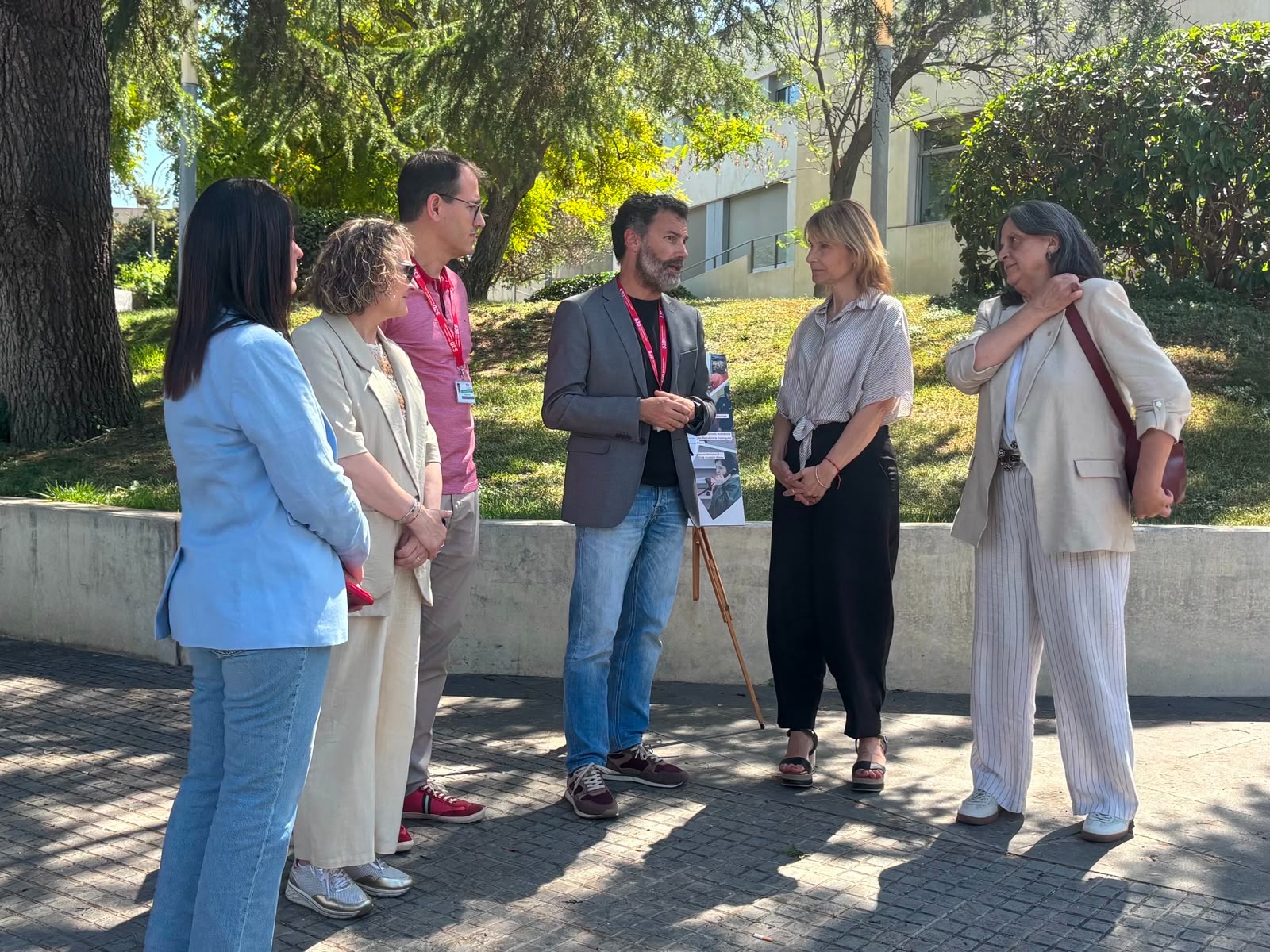
Also taking part in the visit were Lluïsa Moret, Mayor of Sant Boi de Llobregat; Carme Esquirol, Director of Regional Services for Social Rights and Inclusion in Barcelona; Salut González, Cabinet Member for Health at Sant Boi Town Council; Dr Antoni Serrano, Director of Parc Sanitari's Mental Health Network; Sílvia Ángel, Head of the Intellectual Disability Unit; Gerard Andreu, Head of Nursing Management for Intellectual Disability and Mental Health, and Victòria Saura, Head of Cross-cutting Projects in Patient Management and Solidarity Development.
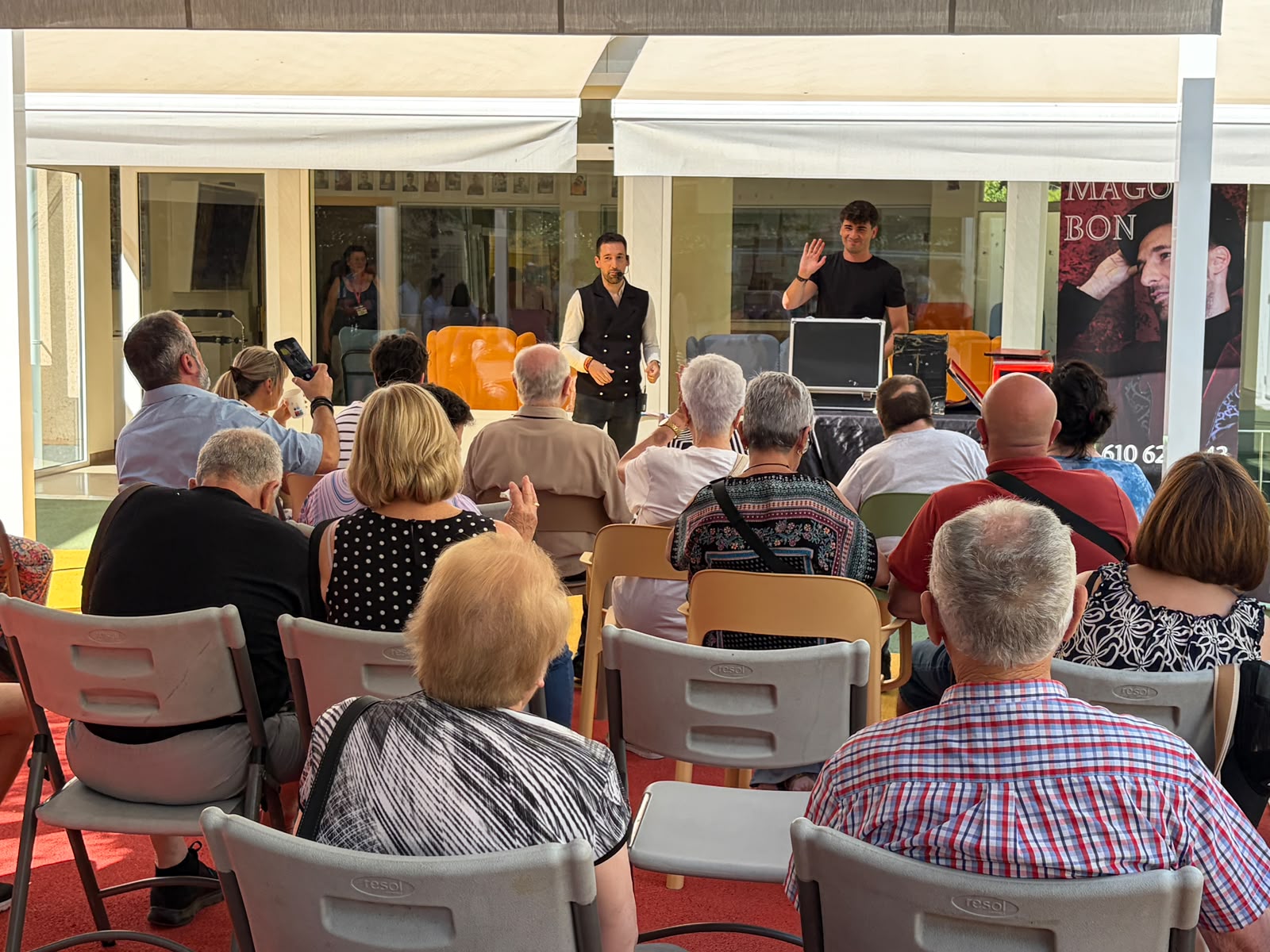
The visit wrapped up with the official guests attending the end-of-year party organised by families and staff at the Sant Ricard care home, a gathering which afforded an opportunity to share experiences with the residents and their families and see at first-hand the projects' impact on their daily lives.