

“I had the chance to improve my daughter's life, and I didn't think twice”
- The AIDA project at Parc Sanitari Sant Joan de Déu is transforming the residential care model with new therapeutic facilities and activities, technology and increasingly personalised care
- Sant Ricard is home to adults of various ages with moderate or severe intellectual disabilities and associated mental health or behavioural disorders
In 2023, a donation from a relative of one of the residents at Sant Ricard made it possible to set up the AIDA project, a transformation of the care home to achieve a specific goal: continuing to make headway towards a more all-inclusive, innovative care model centred on each person's needs.
“Like any mother, I dreamed of improving my daughter's life, and when I had the chance to do so, I didn't think twice. It's a dream come true"
Puri Garcia, a relative of a resident at Sant Ricard
The approach was anchored in three conditions: the initiative should benefit all residents, there should be more activities at weekends, and the facilities should be upgraded.
Building on this, Parc Sanitari Sant Joan de Déu kicked off a collaborative process involving professionals from various fields. The outcome was the AIDA (Comprehensive Care for People with Functional Diversity, Advanced Model)project, a care improvement initiative which seeks to step up the variety, quality and quantity of rehabilitation and therapeutic activities while also enhancing the emotional wellbeing and quality of life of residents.
“The project stems from the generosity and initiative of the mother of one of our service users, who wanted to share her good fortune with all of us,” says Silvia Angel, head of the Intellectual Disability Unit at Parc Sanitari Sant Joan de Déu.
More activities, options and personalisation
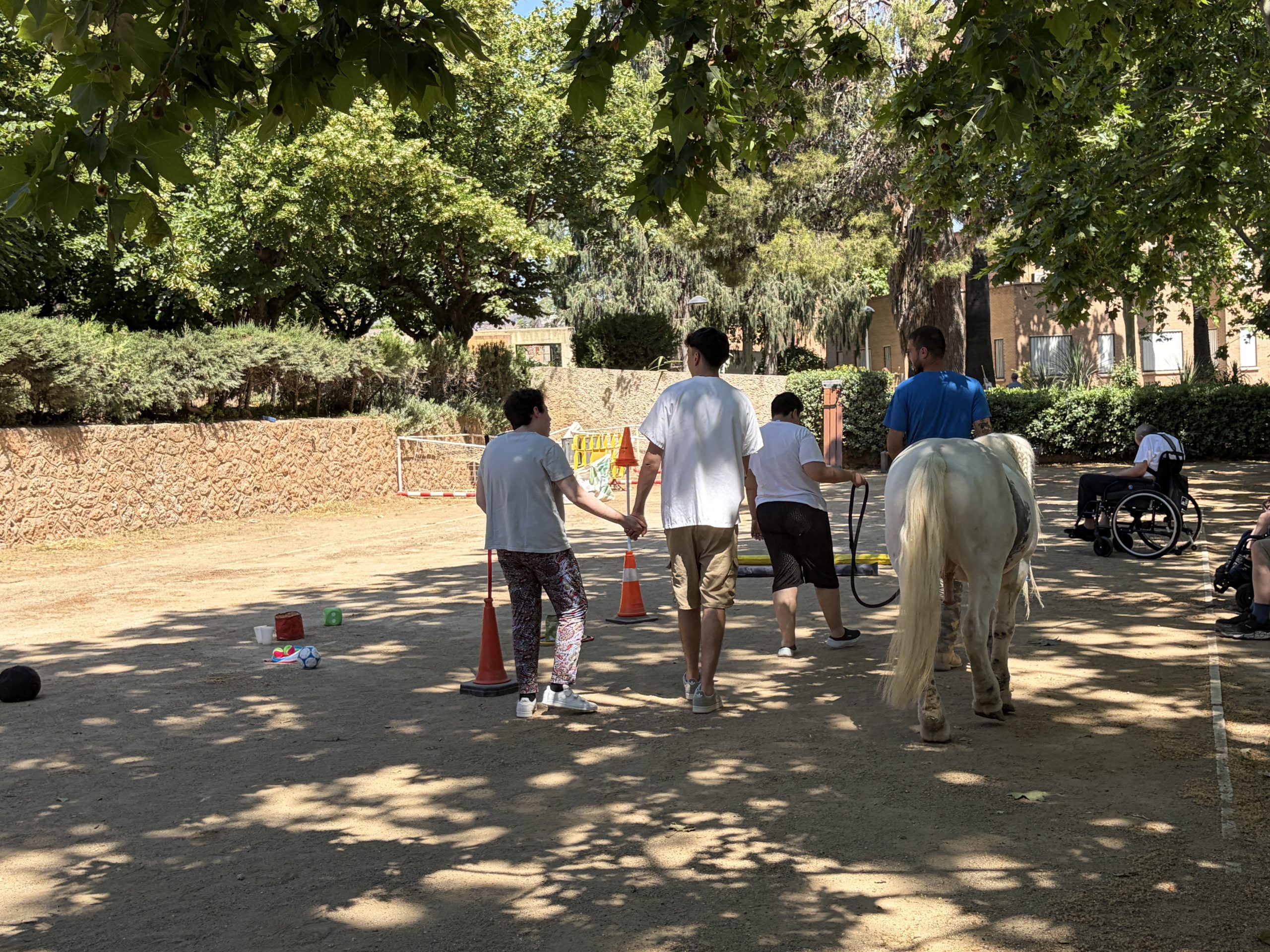
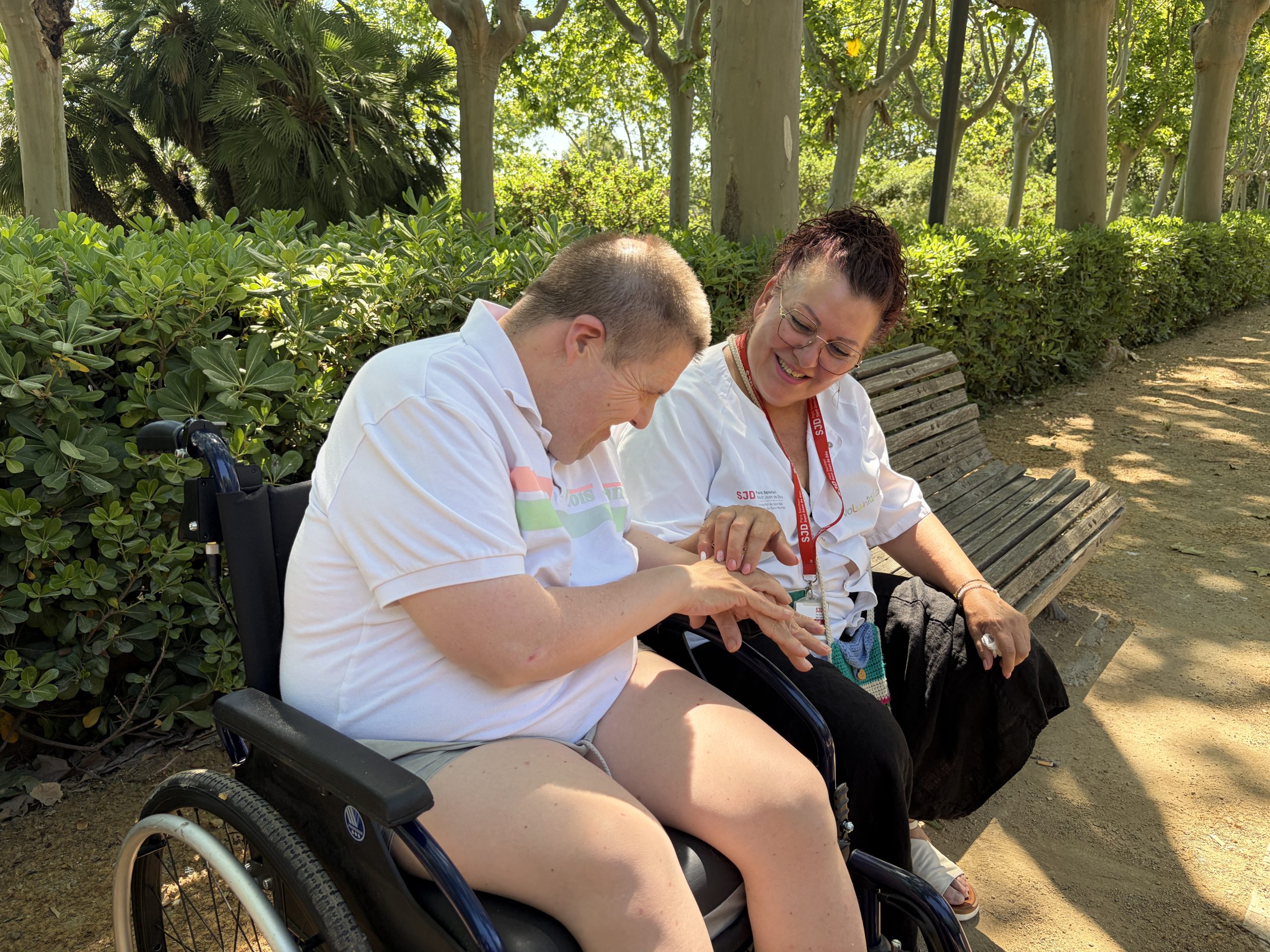
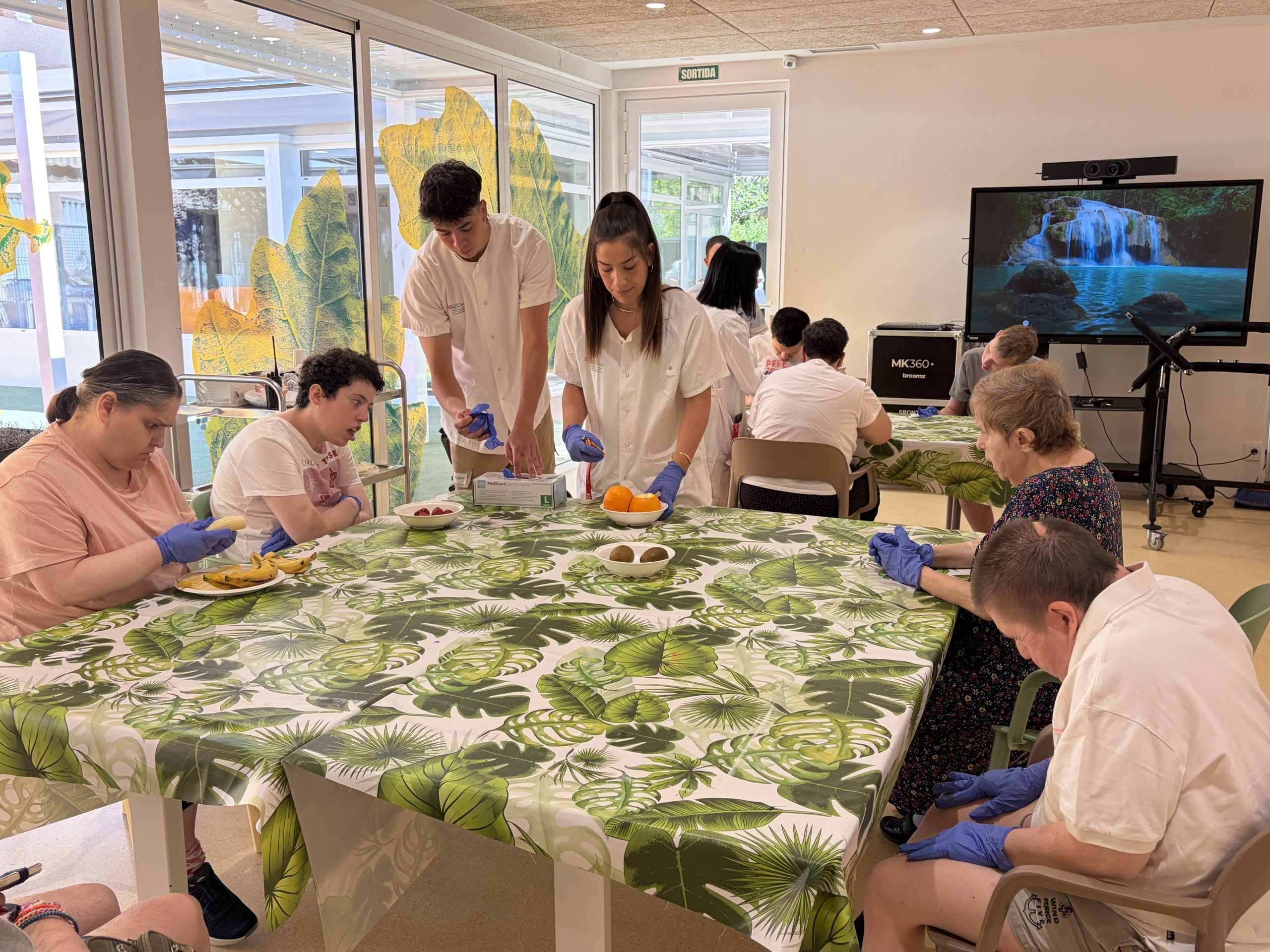
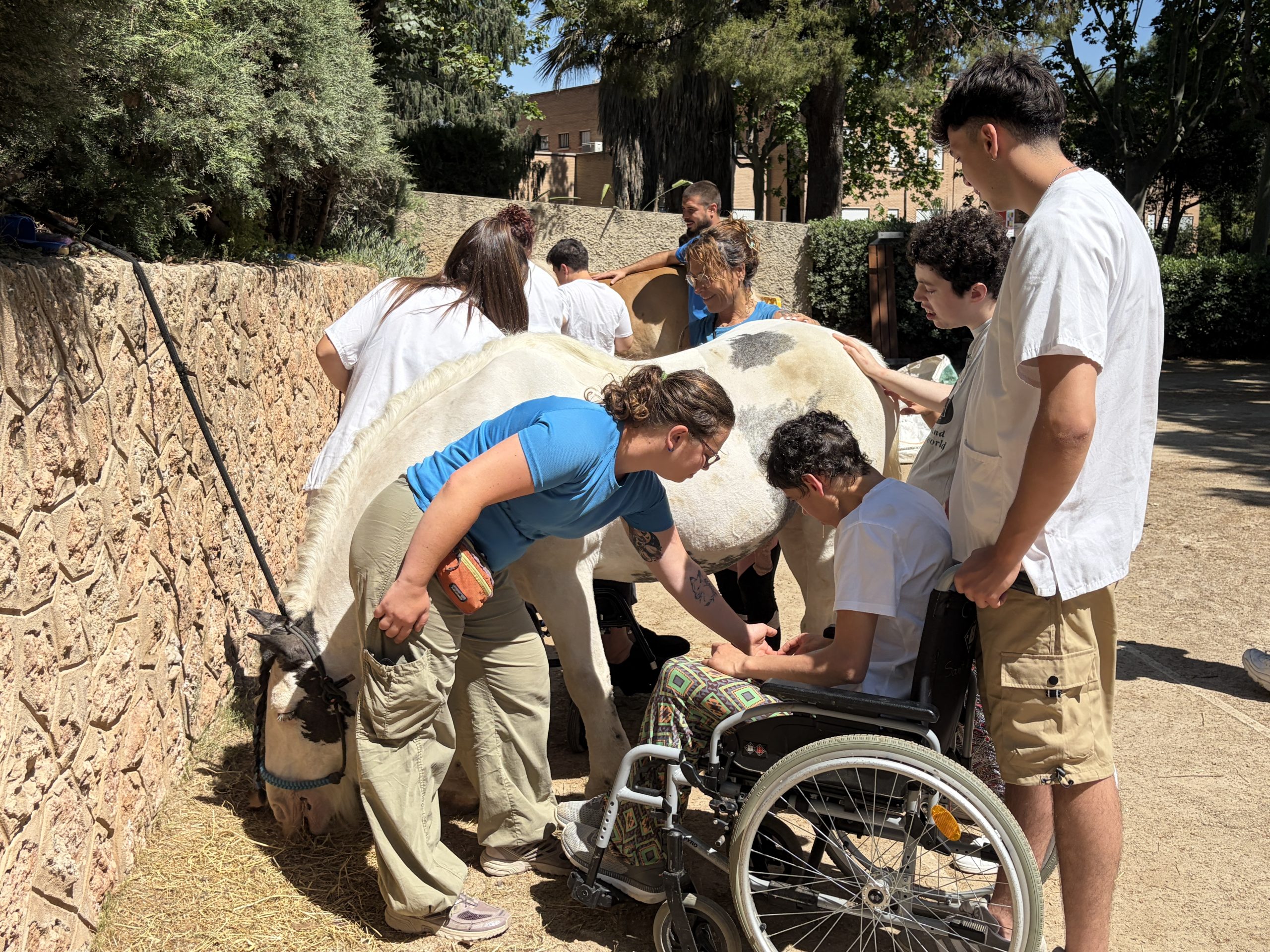
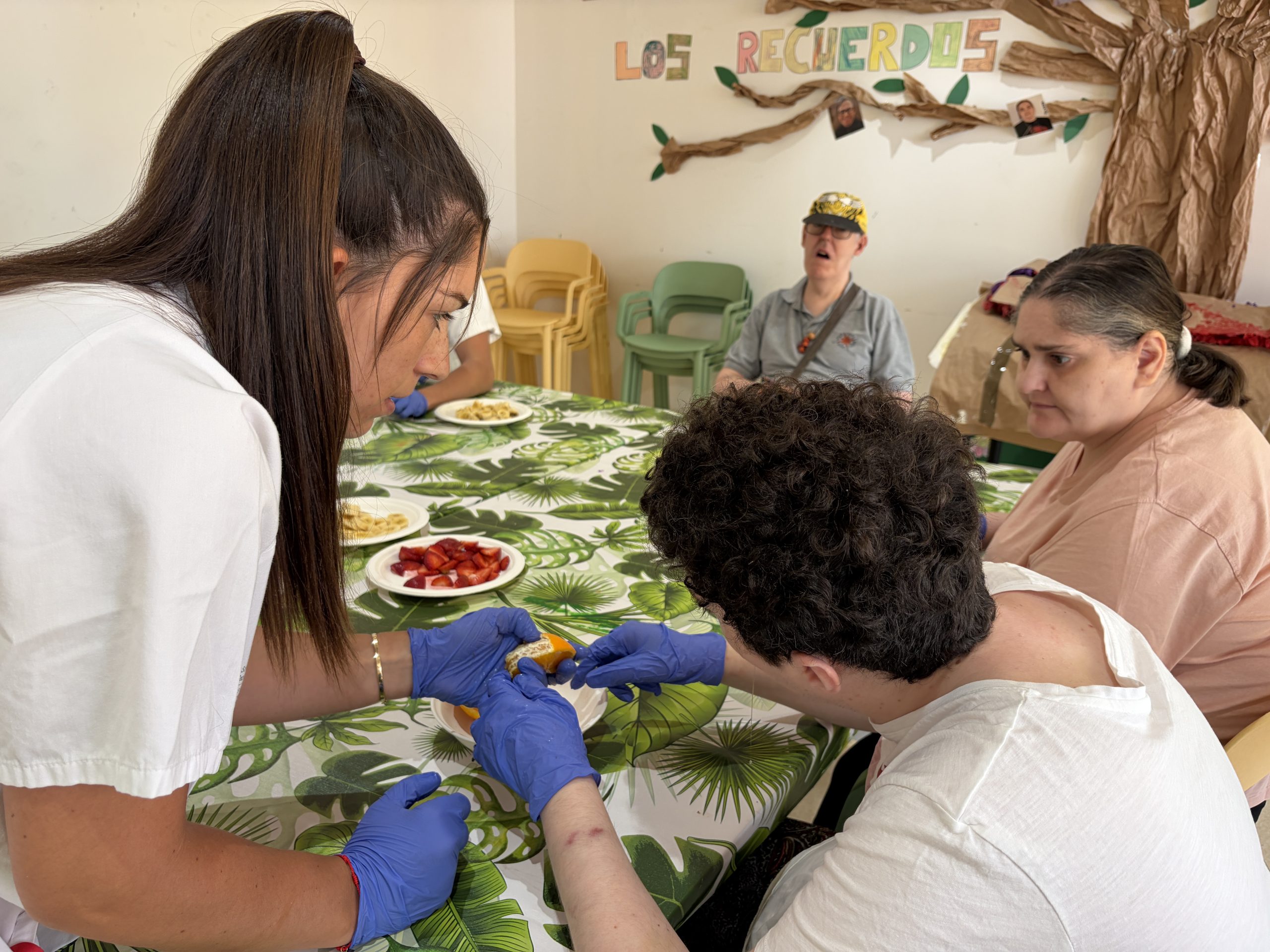
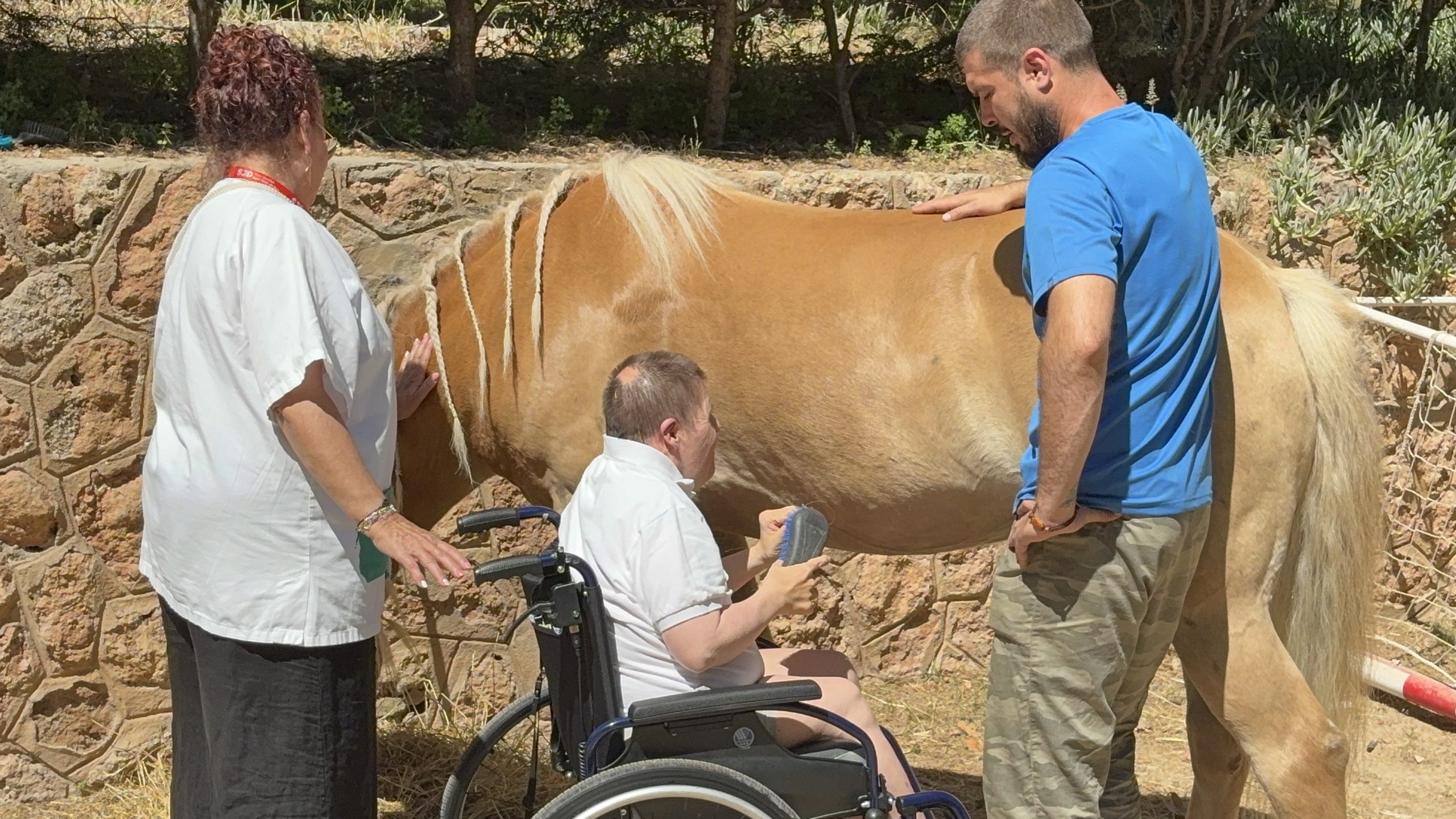
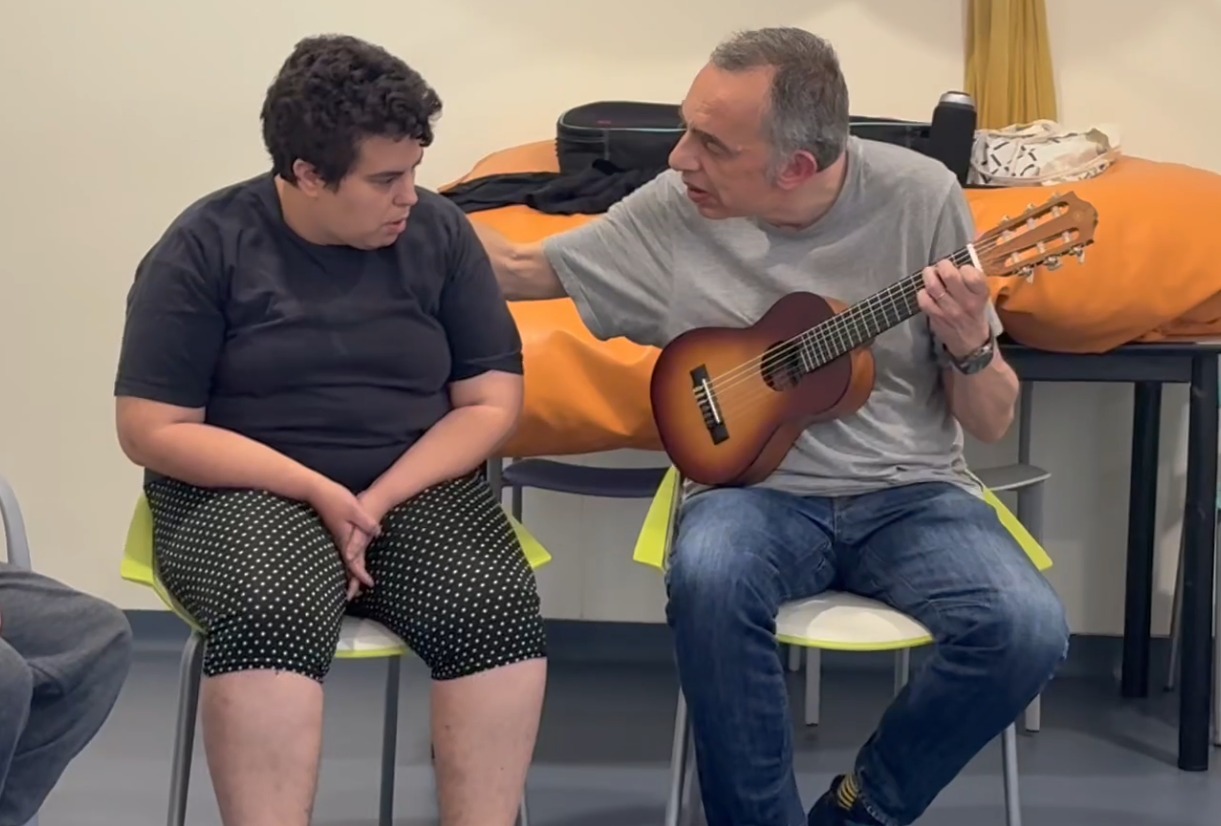
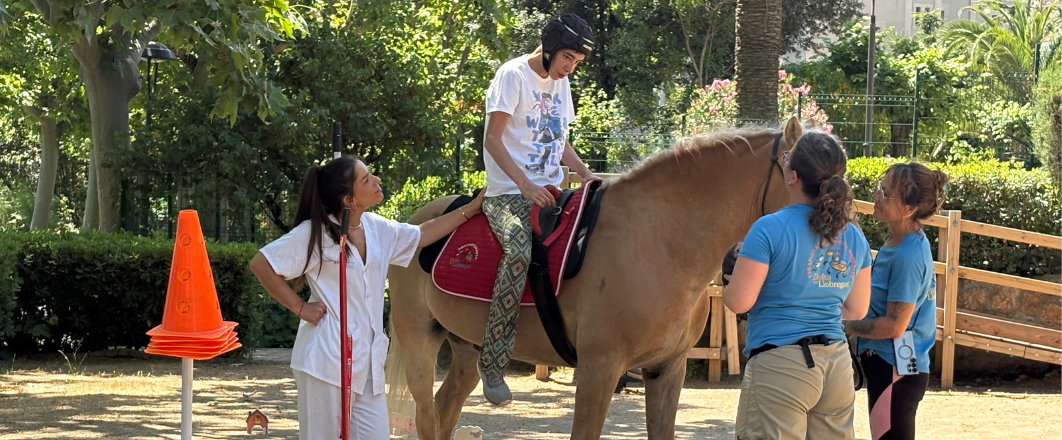
The AIDA project has made it possible to expand and diversify the activities conducted at Sant Ricard, with options including hydrotherapy, music therapy, equine therapy, dog-assisted therapy, physiotherapy, community outings and tech-powered immersive experiences.
New resources have also been rolled out to facilitate these activities. “We have hardwired technology into what we do every day: digital tablets for service users, an immersive reality room, an interactive projector, smart boards for activities, and also staff to support these activities,” comments Gerard Andreu, Head of Nursing in the Intellectual Disability Unit at Parc Sanitari Sant Joan de Déu.
However, the change is not just about bringing in new resources. It also involves adapting spaces and working methods to deliver more personalised care.
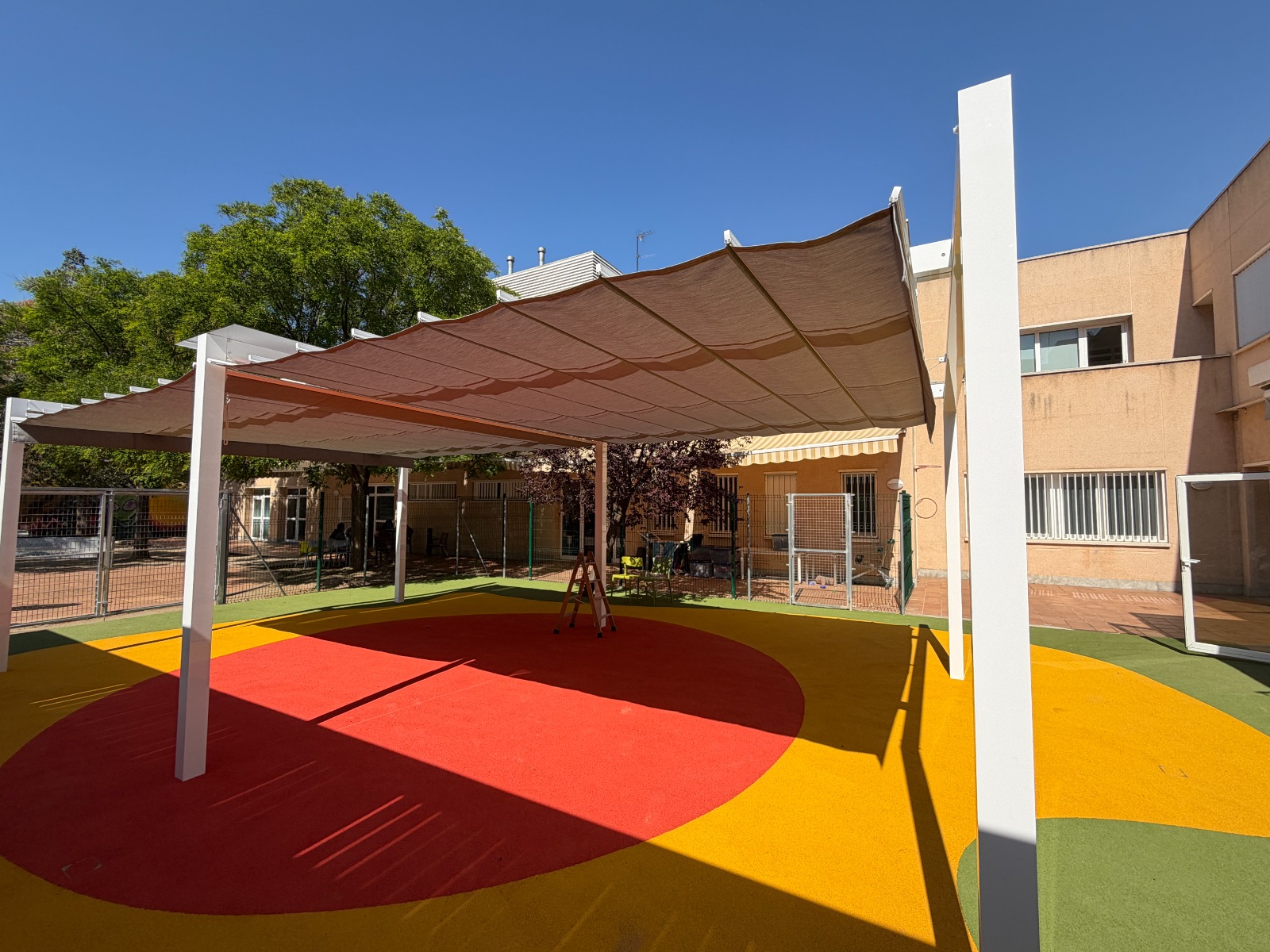
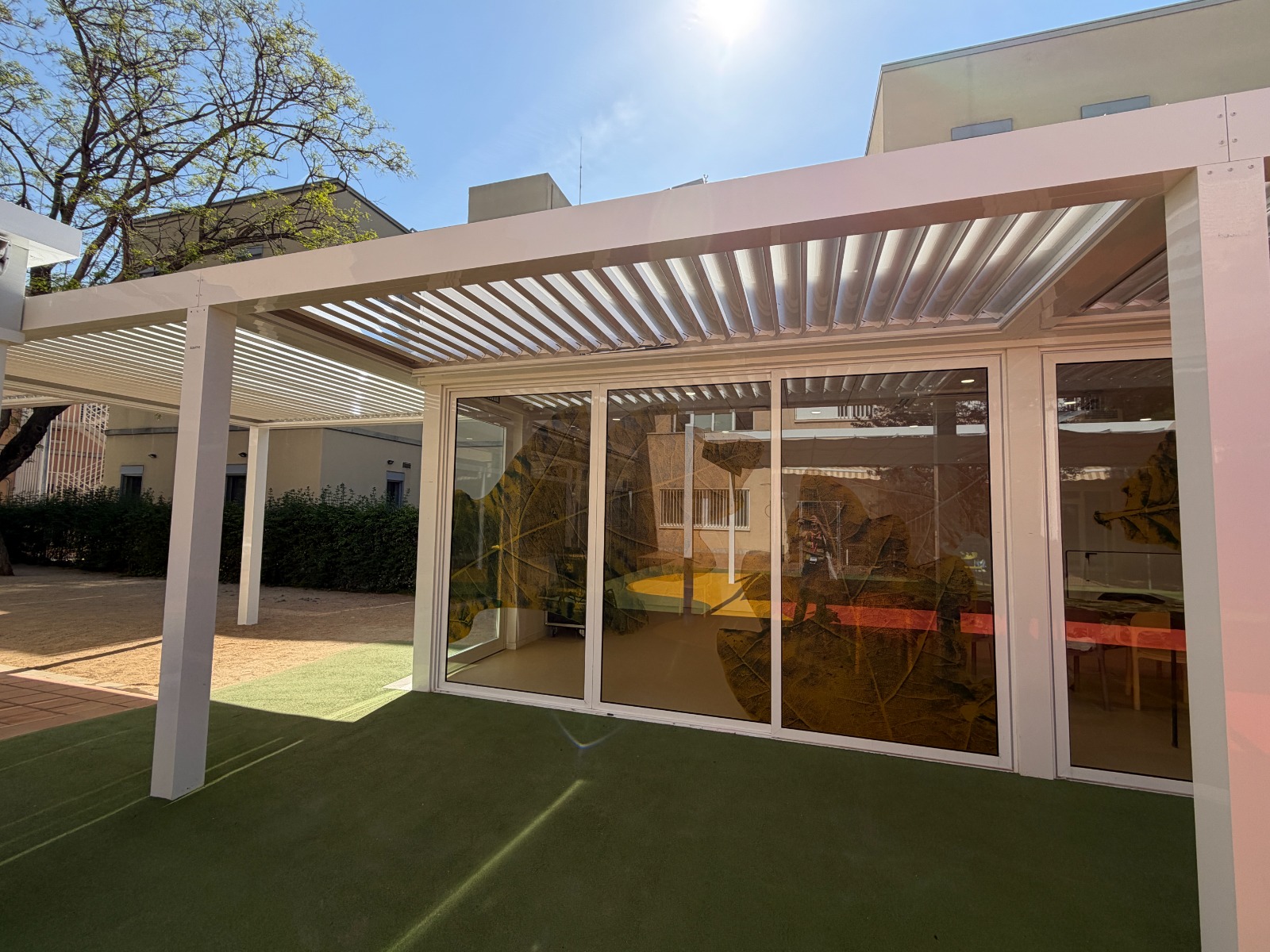
The rooms have been redesigned and made more homely to ensure they are more welcoming, while a new multipurpose room furnishes a flexible setting for a range of activities.
“As a result of the project, the rooms are not quite so clinical or cold and patients feel more at home in them," argues Andreu. "Plus we also have a multipurpose room equipped to host all sorts of activities.”
Activities tailored to each person
Sant Ricard is home to adults who have moderate or severe intellectual disabilities and associated mental health and/or behavioural disorders, with a wide range of ages and needs.
Hence, one of the cornerstones of the project is to tailor activities to each person’s interests and needs.
“We've ramped up the number of hours set aside for equine therapy, dog-assisted therapy and music therapy," notes Judith Dotor, an occupational therapist at the Sant Ricard care home. “We also do physiotherapy, more community outings, both educational and recreational, and we can spend more time on personalised care.”
This personalised approach is also evident in small, everyday things. One example is the hydrotherapy bath, where each person can choose their preferred music and fragrance. Various activities are also offered each day, allowing the residents themselves to decide which ones they would like to take part in.
This ability to choose is part of a broader shift: it's not just about running more activities but also generating more opportunities for each person to participate and make decisions in line with their preferences and abilities.
“The AIDA project means we can personalise what we do even further and they all really appreciate it.”
Judith Dotor, an occupational therapist at the Sant Ricard care home
A transformation which is already yielding results
The first year of the AIDA project’s implementation has made it possible to assess the impact of the changes introduced at Sant Ricard from the families’ perspective and also through a number of health, adaptive behaviour, wellbeing and quality of life indicators.
The results reveal major progress, particularly in two areas: residents’ quality of life and adaptive skills.
In the case of quality of life, as assessed using the San Martín scale, the average score rose from 89.9 points in March 2023 to 98.9 a year later. The improvement is statistically significant and maintained at twelve months.
There has also been a marked improvement in adaptive behaviour. The average score went up from 31.89 to 37.05 points between April 2023 and April 2024. The report suggests that this trend demonstrates an improvement in the basic skills required for people to function more independently in their surroundings.
This progress goes hand in hand with the growth in and diversification of activities. Residents take part in 29.91 activities per month on average, with a mean attitude score of 8.60 out of 10. The satisfaction rate recorded while taking part stands at 95%.