

Viewing the solar eclipse without proper protection can lead to irreparable damage
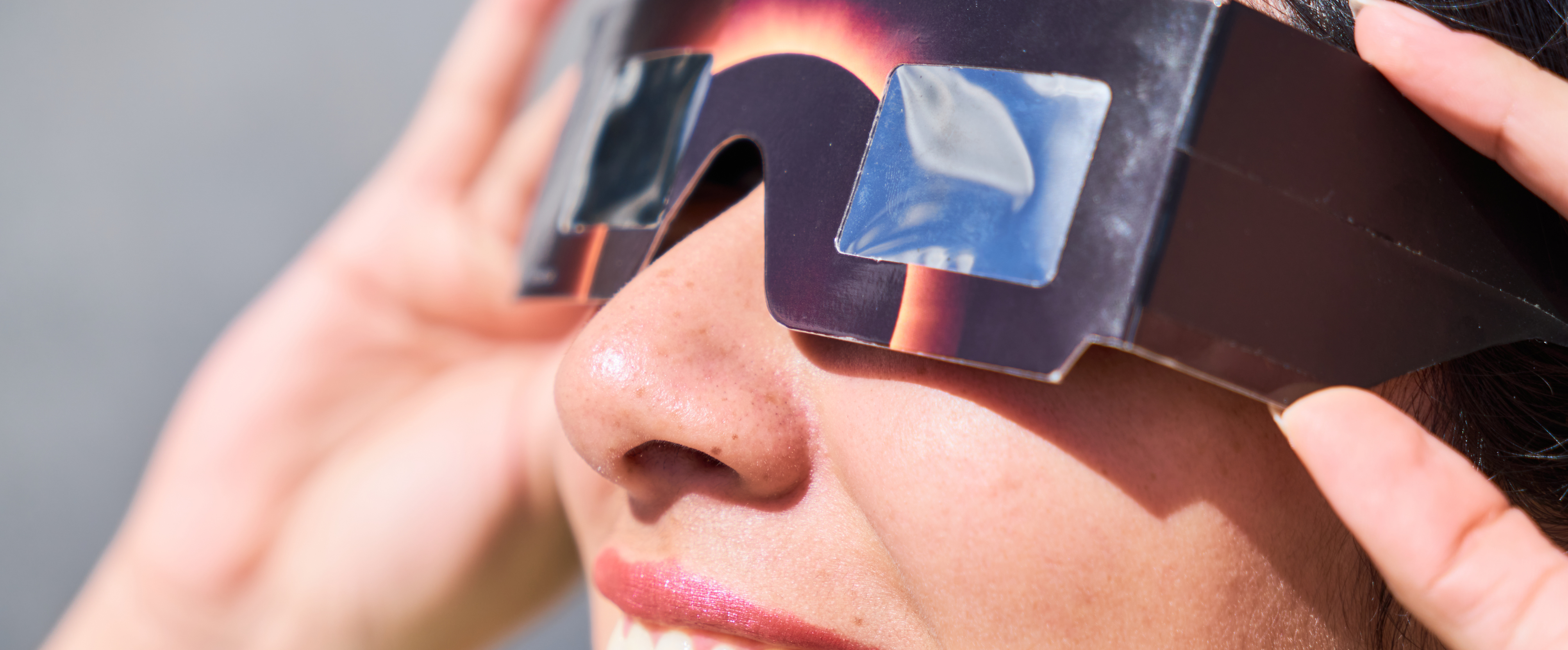
The eclipse should only be viewed using approved solar filters (ISO 12312-2 standard) or glasses approved by the European Union with an opacity rating of 5 or higher
The fact that viewing the eclipse without protection does not cause pain can give a false sense of security, but eye damage may be irreversible
Viewing the solar eclipse without proper protection can cause irreparable damage. This has been confirmed by experts due to the excitement generated by the total solar eclipse which will be visible in its entirety on the 12th across les Terres de l'Ebre, el Camp de Tarragona and southern Lleida. This is a rare astronomical event; the last eclipse which could be seen in this region took place in 1905.
Dr Xavier Graell, head of the Ophthalmology Department at Hospital SJD Sant Boi, says that extreme caution should be taken during the minute and a half that the moon will completely cover the sun. “The fact that looking at it with the naked eye does not cause pain gives the false impression that it has no harmful effects, but actually it's burning you,” he says. The decrease in ambient light during the eclipse causes the pupil to dilate, allowing a quantity of light energy to reach the retina that can lead to irreparable damage or even permanent blindness.
If you'd like to watch this event, you'll need appropriate protection, which means using approved sunglasses (compliant with ISO 12312-2) or glasses approved by the European Union (CE) with an opacity rating of 5 or higher. To ensure authenticity and leave no room for doubt, it's best to purchase these glasses from pharmacies or opticians, and when buying them, check they are in perfect condition, free from scratches, holes or other defects.
Eight recommendations to prevent eye injuries during the eclipse
When viewing the eclipse, it's crucial to take the precautions recommended by the ophthalmological community to prevent irreversible eye damage:
- Do not look without protection, not even for a second. The injuries may be very serious.
- Conventional sunglasses are not safe for viewing the eclipse. ISO-certified glasses provide thousands of times more protection.
- Do not look at the sun through binoculars, telescopes, cameras or mobile phones without an approved solar filter, even if you're wearing certified glasses.
- Do not use any home-made methods (X-rays, CDs, tinted glass or improvised filters), as they do not provide sufficient protection.
- Watch for only short periods (a few seconds) at a time with care, and rest your eyes before looking again.
- It's advisable to remain still and, if possible, seated while observing.
- Do not take off your protective glasses while the eclipse is still in progress.
- Children should always be accompanied and supervised by adults. Children under the age of four should not be exposed (particularly as there is no guarantee they will keep their glasses on throughout the eclipse). The risk of eye injury may be greater in children and teenagers as their lenses are more transparent and allow a greater amount of solar radiation to get to the retina.
Post-eclipse warning signs
Viewing the solar eclipse without proper protection or with uncertified protection can lead to solar retinopathy. This is damage to the retina, especially the central area known as the macula, caused by looking directly at the sun or other very bright light sources without appropriate protection.
The first worrying symptoms may appear hours or days after exposure. If, after the eclipse, you experience a loss of vision; see a central dark spot in your vision; have distorted vision of straight lines or letters; notice that colours appear altered; or experience sensitivity to light or flashes of light, you should seek medical advice from a specialist.