

The integration of indigenous medicine and modern psychiatry in mental health, the key to the success of the therapeutic use of psychedelics
Modern psychiatry converges with ancestral knowledge that has addressed mental health from a holistic perspective for centuries
The fusion of this knowledge can offer more comprehensive therapeutic models that combine neuroscience, ritual, and self-awareness to improve patients' well-being
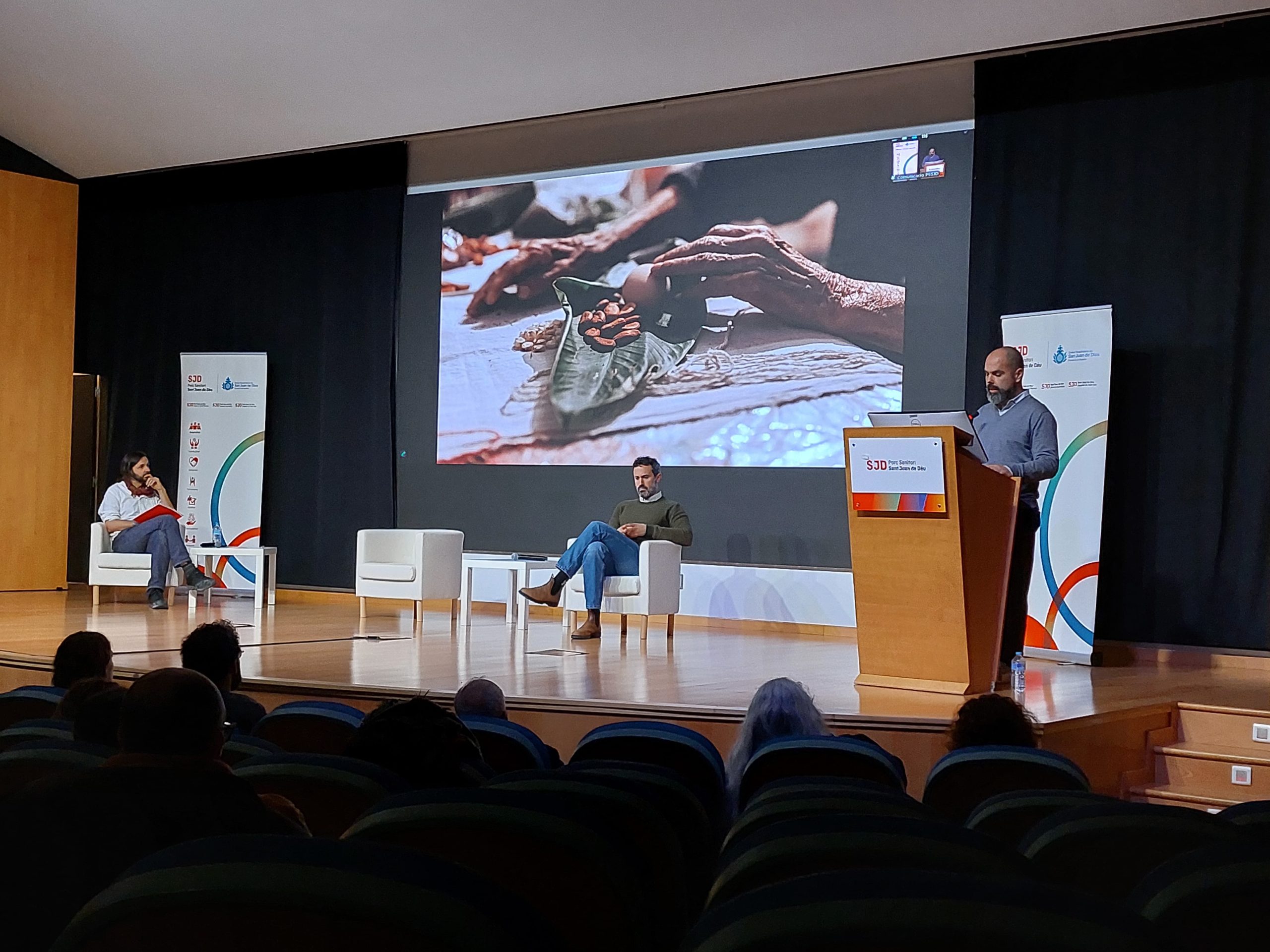
The Parc Sanitari Sant Joan de Déu (Sant Joan de Déu Healthcare Park), one of the pioneering centres in the country for treating mental disorders with psychedelic medicine, hosted the II Conference on Dialogues Between Medicines today
A genuinely integrative approach to mental health, combining the tradition of indigenous medicine and modern psychiatry, is key to the success of the therapeutic use of psilocybin, a psychedelic substance currently being researched for the treatment of depression or post-traumatic stress disorder. This is one of the main conclusions of the II Conference on Dialogues Between Medicines The therapeutic use of psilocybin from an intercultural perspective: Contemporary clinical research and traditional Mazatec medicine, held today in Sant Boi de Llobregat, where various specialists in traditional Mazatec medicine and contemporary clinical research on psilocybin participated.
The event at the Parc Sanitari Sant Joan de Déu auditorium demonstrated that modern psychiatry, driven by psychedelic research, is converging with ancestral knowledge that has addressed mental health from a holistic perspective for centuries. From this perspective, it has become evident that the integration of this knowledge is not only possible but could be key to the future of mental health, as it can offer more comprehensive therapeutic models that combine neuroscience, ritual, and self-awareness.
During the conference, organized by the Mental Health Care Service for the Immigrant Population (SATMI) of the Parc Sanitari Sant Joan de Déu, topics such as the conception of mental illness and its treatment with psilocybin, the importance of self-awareness in healing, and the role of psychedelics in the evolution of psychiatry were addressed. Neuroscientific theories about their mechanisms of action were also presented, including the entropic brain model, which proposes more fluid and less restricted cognition, or the 5-HT2A receptor, related to brain neuroplasticity.
Integrative psychiatry: a holistic future?
Historically, biological psychiatry has led to successes such as reducing stigma by considering mental disorders as medical conditions rather than moral failings. It has improved symptom management for millions of people and has driven the development of new treatments such as neuromodulation, ketamine, and now psychedelic treatments. However, it has also shown limitations, such as an excessive reliance on medication to provide quick solutions without addressing underlying causes, and the lack of biomarkers for most disorders (unlike other fields of medicine). Or the fact of ignoring social, cultural, spiritual, and psychological factors.
On the other hand, psychedelic psychiatry addresses root causes rather than focusing solely on symptoms, facilitates emotional insights and neuroplasticity, and challenges the clinical imbalance model in favour of experiential healing.
Integrative psychiatry would expand the role of psychiatry by acknowledging the importance of trauma in mental illnesses, moving beyond medication with therapies such as EMDR (Eye Movement Desensitization and Reprocessing), somatic therapy, or psychedelic therapy, and offering a more compassionate, person-centred model.
The return of community and indigenous healing methods prompts a rethinking of community-based mental health support, the integration of traditional healing methods, or the recognition of the spiritual dimensions of mental health.
Research with psychedelics
In the pharmacological realm, the use of medications with psychedelic properties generates an altered state of consciousness that fosters a greater predisposition to address emotionally charged issues. These substances enhance brain neuroplasticity and generate new neural connections that can lead to changes in patterns and behaviours or create emotional breakthroughs, enabling the treated individual to confront key events rather than avoid them. This would facilitate the psychotherapeutic integration process.
One of the main strengths of these treatments is that, unlike available conventional treatments, they enable genuine integration between the psychopharmacological effects of the medication and individualized psychotherapeutic treatment, allowing for a multidisciplinary and community-based approach that moves away from a purely biological focus.
On the other hand, these treatments represent a significant paradigm shift, moving from symptomatic treatment requiring continuous medication to sustain symptom improvement to a more curative paradigm that involves the targeted use of these medications combined with psychotherapeutic support.
Research with psychedelics at the Parc Sanitari Sant Joan de Déu
The Parc Sanitari Sant Joan de Déu (Sant Joan de Déu Healthcare Park) has launched several clinical trials in recent years with drugs possessing psychedelic properties that could pave the way for a definitive resolution of Treatment-Resistant Depression (TRD). The objective of the project, developed from the Clinical Trials Unit, is to evaluate the effectiveness of the treatment to prevent potential regression.
The accompaniment, setting, and conception of health and illness, key concepts in the therapeutic use of psilocybin
The conference fostered an interdisciplinary dialogue in which experts reflected on the role of the psychedelic therapist and the Mazatec healer, the characteristics of the setting or context for clinical research and the ceremonial "vetllada," and, finally, the different ways of understanding health, illness, and care processes in both medicines.