

The Lancet highlights the commitment of Parc researchers to integrate psychedelics with psychotherapy
- They call for regulation for the use of these substances, which are currently in advanced phases of research
- The psychiatrist Oscar Soto-Angona and the psychologist Genís Oña, from the Anima group at the Sant Joan de Déu Research Institute, are co-authors of the article
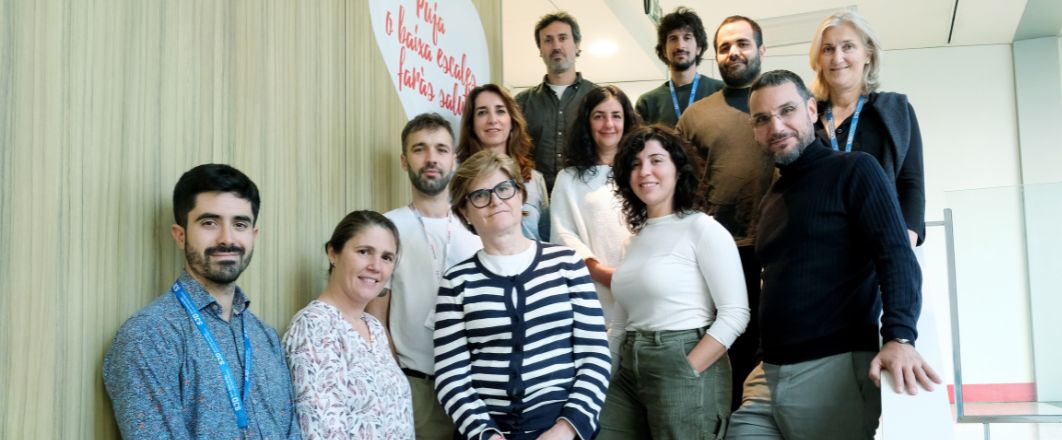
The latest publication in the prestigious medical journal The Lancet includes the opinion on the current perspectives of psychedelic treatments in Europe, co-authored by the psychiatrist Oscar Soto-Angona and the psychologist Genís Oña, from the Ànima group, in collaboration with researchers from the Hospital Clínic Eduard Vieta, Santiago Madero, and José Sánchez-Moreno.
Preliminary results from clinical trials with psychedelics suggest that they could become a promising therapeutic alternative for patients who do not respond to conventional treatments. According to recent studies, the combination of psychotherapy with substances such as psilocybin, 5-MeO-DMT, or MDMA provides rapid and long-lasting responses in conditions such as depression, post-traumatic stress disorders, anxiety, and the so-called existential distress. Ongoing research, however, still cannot resolve a key doubt: what is the persistence of the long-term effects.
Psychedelics beyond a pharmacological intervention
The authors of the article highlight the complexity of psychedelic therapies, defining them as pharmacological interventions that “challenge the conventional boundaries between drug and context, biology and meaning, regulation and care.” They underline that the therapeutic potential of these substances depends on the interaction between neurobiological effects and the psychological, relational, and environmental frameworks in which they are administered. In other words, administering the drug without psychological accompaniment can compromise the efficacy of the treatment.
The article defends the integration between psychotherapy and drug, pointing out that without psychotherapeutic support, safety and efficacy are lost. “We will need to ask ourselves what works, for whom, and under what conditions,” explain the authors of the article, who advocate for an ethical, inclusive model of care based on lived experience. To answer these questions, they emphasize that further investigation is needed. In this regard, Oscar Soto, psychiatrist and researcher at the Parc Sanitari SJD and the Sant Joan de Déu Research Institute, adds that “a reductionist use of psychedelics cannot be made.”
The regulation of psychedelics, a challenge
The complexity in the use of psychedelics is intrinsically linked to the definition of regulatory pathways. Switzerland, Germany, and the Czech Republic are countries that have already promoted the regulation of these substances.
In the case of Switzerland, it has implemented a limited medical use program since 2014 that has allowed authorized doctors to treat patients with MDMA, LSD, and psilocybin under strict regulatory supervision. A decade after this regulation, more than 700 people with depression, post-traumatic stress disorder, and anxiety have received this treatment.
Germany has recently approved the first Compassionate Use program for psilocybin, which is a milestone in the regulation of the use of psychedelics in Europe. The Czech Republic has also approved the medical use of psilocybin under specific conditions for the treatment of depression, post-traumatic disorder, and addictions.