

Parc Sanitari opens six flats in el Prat to promote community-based mental health
These homes will enable the institution to provide up to 16 additional places for people with serious mental health conditions who are in the process of community inclusion
Parc Sanitari now has a total of 14 flats hosting 41 places across the Barcelona area as part of various programmes
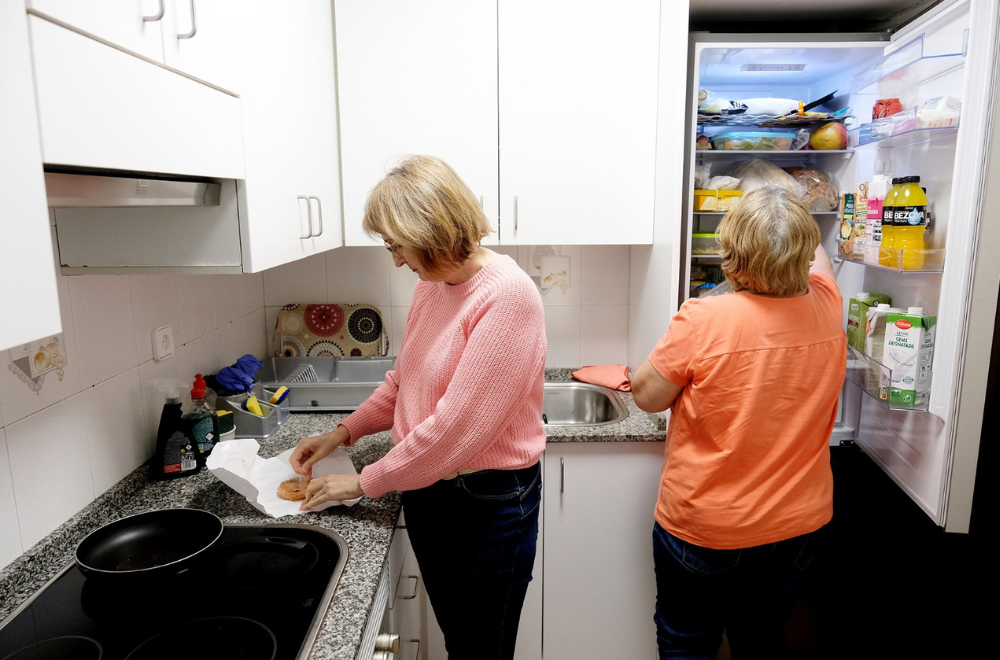
Parc Sanitari Sant Joan de Déu is to add six new flats in El Prat de Llobregat to its accommodation network to promote new community-based recovery pathways for people with mental health problems. The homes, which will provide between 14 and 16 places, will be allocated to people admitted to medium- and long-stay psychiatric facilities who are at an advanced stage of their recovery process.
The new flats, awarded by the Habitat3 Foundation under a renewable lease arrangement, will operate as a transitional resource towards a more independent life and enable residents to pursue their community life plans with the backing of professional teams.
The initiative is part of the long-term psychiatric care transformation strategy Parc Sanitari Sant Joan de Déu is rolling out alongside the Ministry of Health and which is seeking to gradually replace lengthy hospital stays with community care models tailored to the needs of each person. The goal is to foster recovery pathways which enhance independence, social inclusion and the exercise of citizenship rights.
The flats will be allocated to people who, following a period of hospital rehabilitation, need to continue their recovery with support to consolidate their independence before moving into their own home, a social flat or another community-based residential facility.
“The challenge is to build practical pathways to recovery that enable people to pursue their life plans within the community,” says Dr Antoni Serrano, director of the Mental Health Network at Parc Sanitari Sant Joan de Déu. “These flats are a crucial intermediate stage because they offer a normalised environment in which residents can continue to develop their daily living skills, independence and social connections with the support of professional teams.”
From the hospital to the community
Professionals from the Parc Sanitari SJD Mental Health Network deliver personalised follow-up for residents with interventions aimed at improving their independence, helping them manage their daily lives and encouraging their integration into the neighbourhood and local community facilities.
The accommodation is designed for people with severe mental health conditions who have achieved sufficient clinical stability to move forward in their recovery process. This model shifts part of the rehabilitation process from the hospital setting to real-life environments within the community, where people can put into practice the skills needed to live ever more independently.
This initiative builds on the work done in recent years by Parc Sanitari Sant Joan de Déu in community support and consolidates an approach designed to offer alternatives to long-term institutionalisation. The model places the individual rather than the institution at the centre, champions their rights and encourages active engagement in community life.
Transformation anchored in rights, recovery and partnerships
The inclusion of the flats also illustrates the importance of partnerships between the health and social care sectors in enabling new models of care. The collaboration with the Hàbitat3 Foundation makes it possible to expand available residential resources and move towards a more flexible support network which is better suited to people’s needs.
Parc Sanitari Sant Joan de Déu envisages a shift in services away from traditional institutional care towards community-based residential alternatives, supported housing and rehabilitation facilities integrated into local neighbourhoods, with the aim of enabling each person to pursue their life plan with the greatest independence and in the shortest possible time.