

Culture and science join forces to promote the arts in health
- The 8th Arts in Health Conference, organised by Parc Sanitari Sant Joan de Déu, stresses the need to shift from one-off projects to long-term, recognised initiatives
- Doctors, researchers and artists advocate thorough methods, assessment and robust partnerships to drive this approach
- Funding and knowledge transfer are crucial to cement its progress
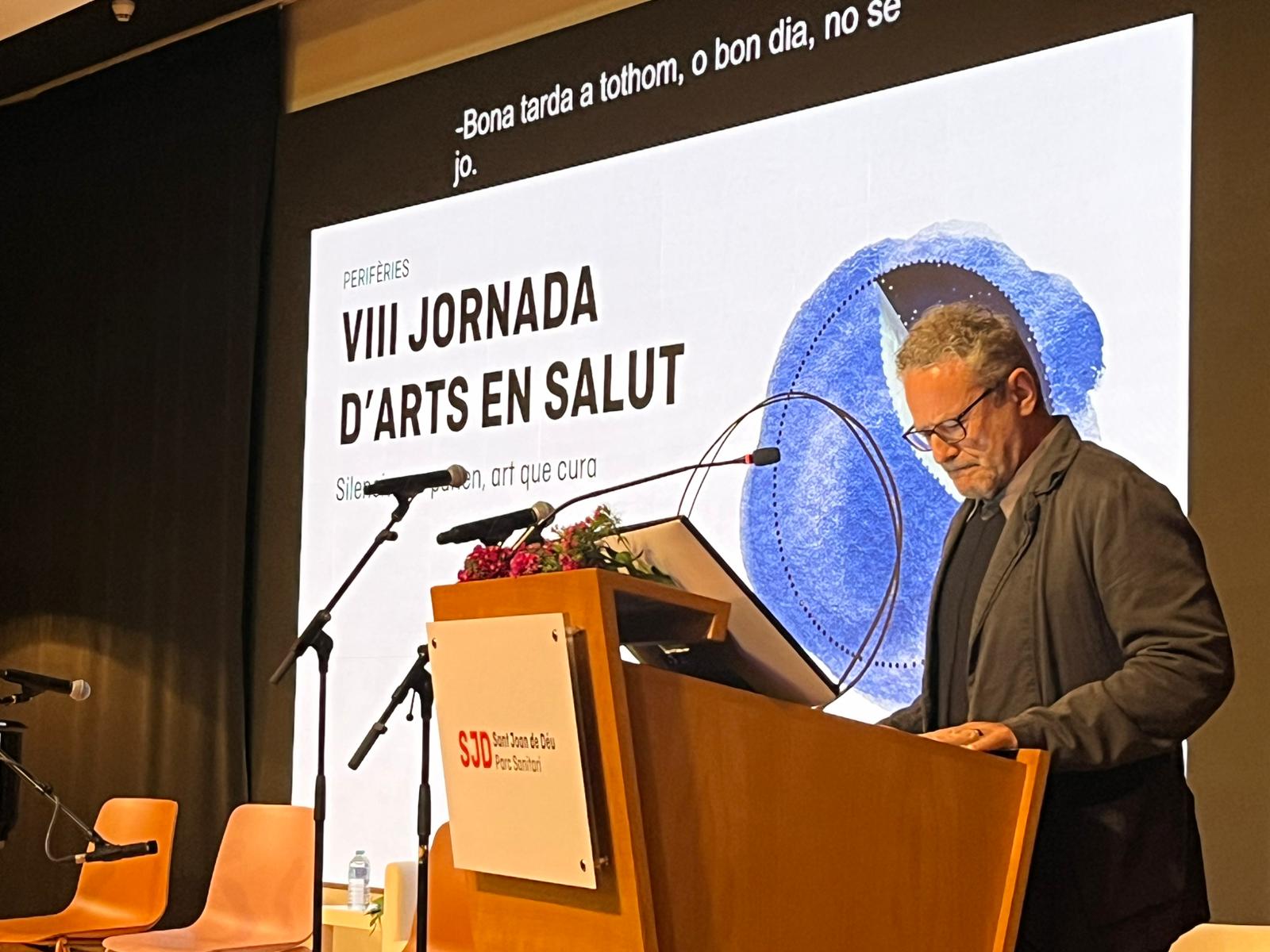
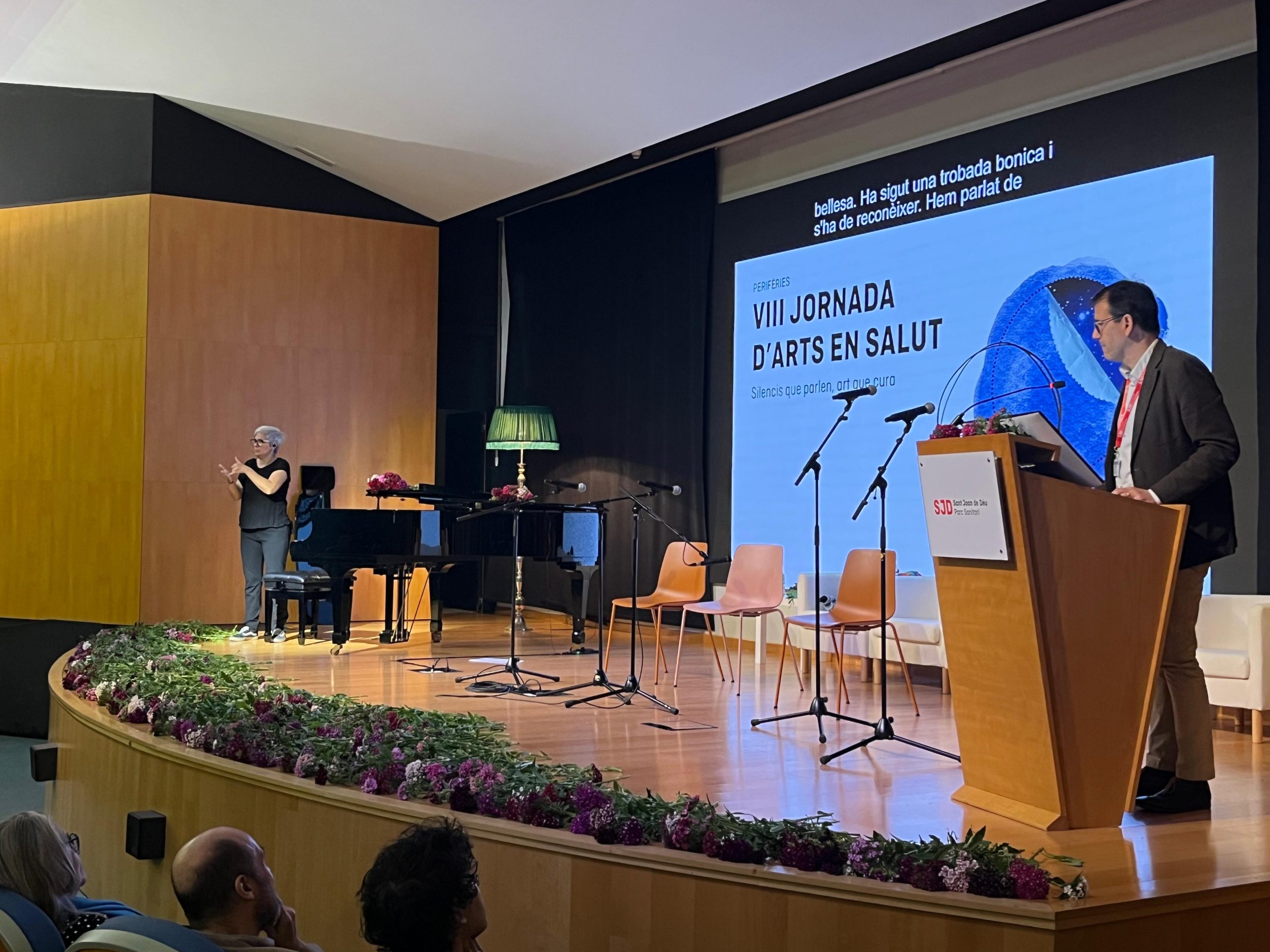
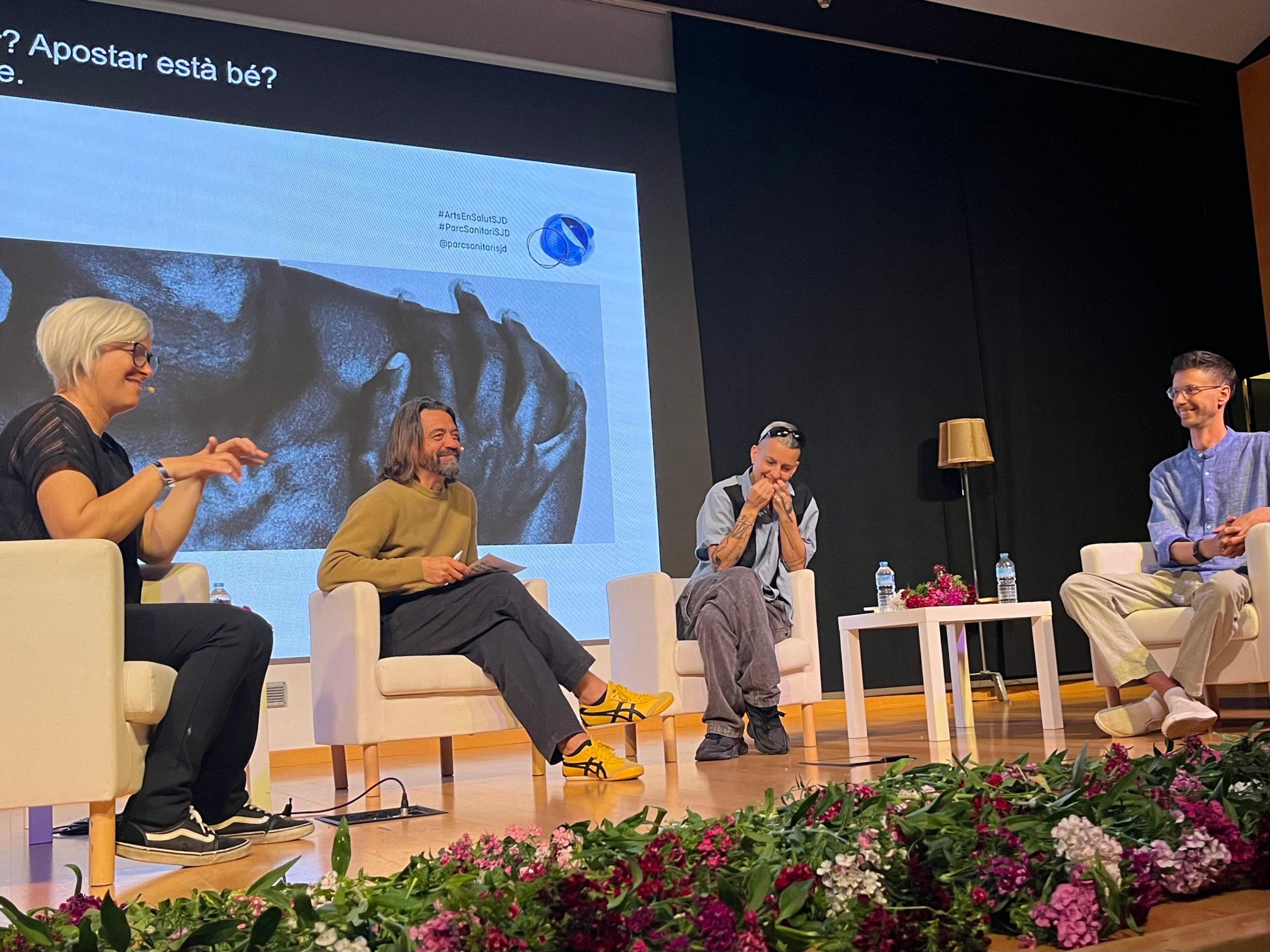
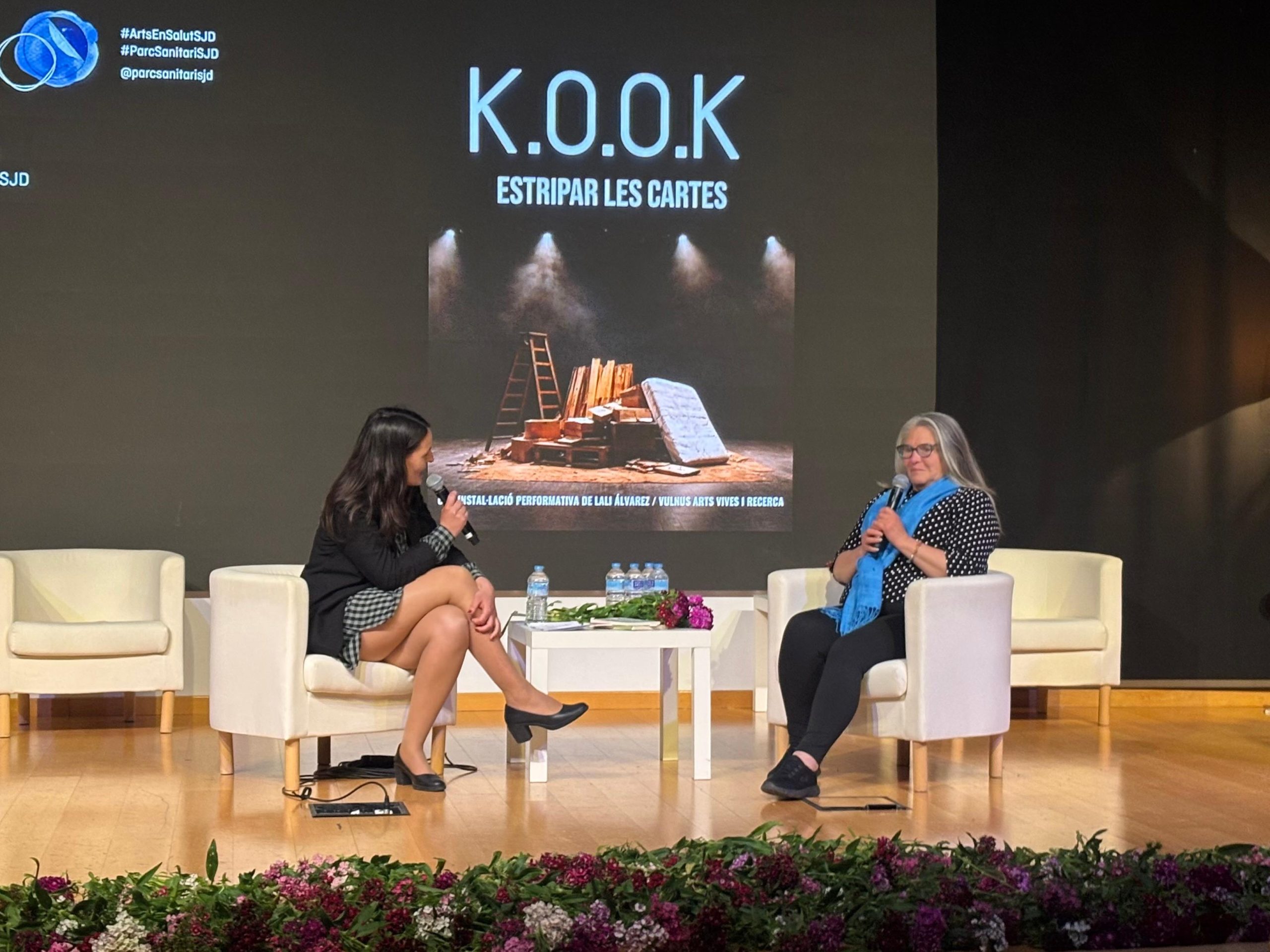
Cultural and healthcare professionals agree on the need to put in place a shared model for assessing arts in health prescribing to achieve a real impact backed by results and scientific evidence. Although Arts in Health projects are currently attracting growing interest and social and institutional recognition, the major challenge is still shifting from occasional initiatives to making them a structural part of healthcare systems. This was one of the main conclusions of the 8th Arts in Health Conference organised by Torrents d'Art, the Parc Sanitari SJD Arts in Health programme, which today gathered more than 200 practitioners to discuss the design, assessment and impact of this type of intervention.
The various panel discussions and activities held throughout the morning showed that Arts in Health are neither complementary nor merely decorative initiatives but rather complex interventions which address real health and wellbeing needs. They call for meticulous methodology, a community-focused approach and sustained interdisciplinary cooperation, and are often part of broader frameworks such as social and cultural prescribing.
It was pointed out how important it is to explain more clearly how these projects are designed, which groups they are for, what their goals are, and what criteria can be used to assess their impact. “We need to share knowledge because while there's growing interest, there aren't always enough tools or clear guidelines,” noted Sergi Blancafort, a biologist, lecturer and head of Continuing Education at the UVIC’s Faculty of Health and Wellbeing Sciences.
Multidisciplinary projects centred on people’s experiences
The need for Arts in Health projects to be multidisciplinary and transdisciplinary was a recurring theme. This means not only collaboration between health, cultural, academic and community professionals but also the active engagement of service users, patients, families and the wider community in planning and rolling out interventions.
This shared approach makes it possible to tailor projects more effectively to local circumstances, avoid mismatches between expectations and reality and enhance their practical value for people by bringing lived experience to the forefront.
Assessment as an ally, not a hindrance
"Assessment shouldn't be a hindrance but rather an indispensable ally to improve interventions and ensure their institutional recognition and funding,” argued Rosa Maria Vivanco, head of the Office of Strategic Transformation at Parc Sanitari SJD.To achieve this, it is crucial to ensure that the methodology is shared and accessible, particularly for artists and cultural teams who do not have specific training in research or assessment.
One of the main challenges for the sector is the shortage of structural funding, which means that many projects continue to rely on voluntary work and personal enthusiasm making it difficult to capture outcomes.
Bridge people thus play a key role in this model as “they are able to translate languages and connect different worlds, facilitating dialogue between healthcare professionals, artists, researchers and managers,” commented Soraya Hidalgo, an industrial engineer and head of Strategic Partnerships and Sponsorship at the UPC.
Arts in Health; transformational potential
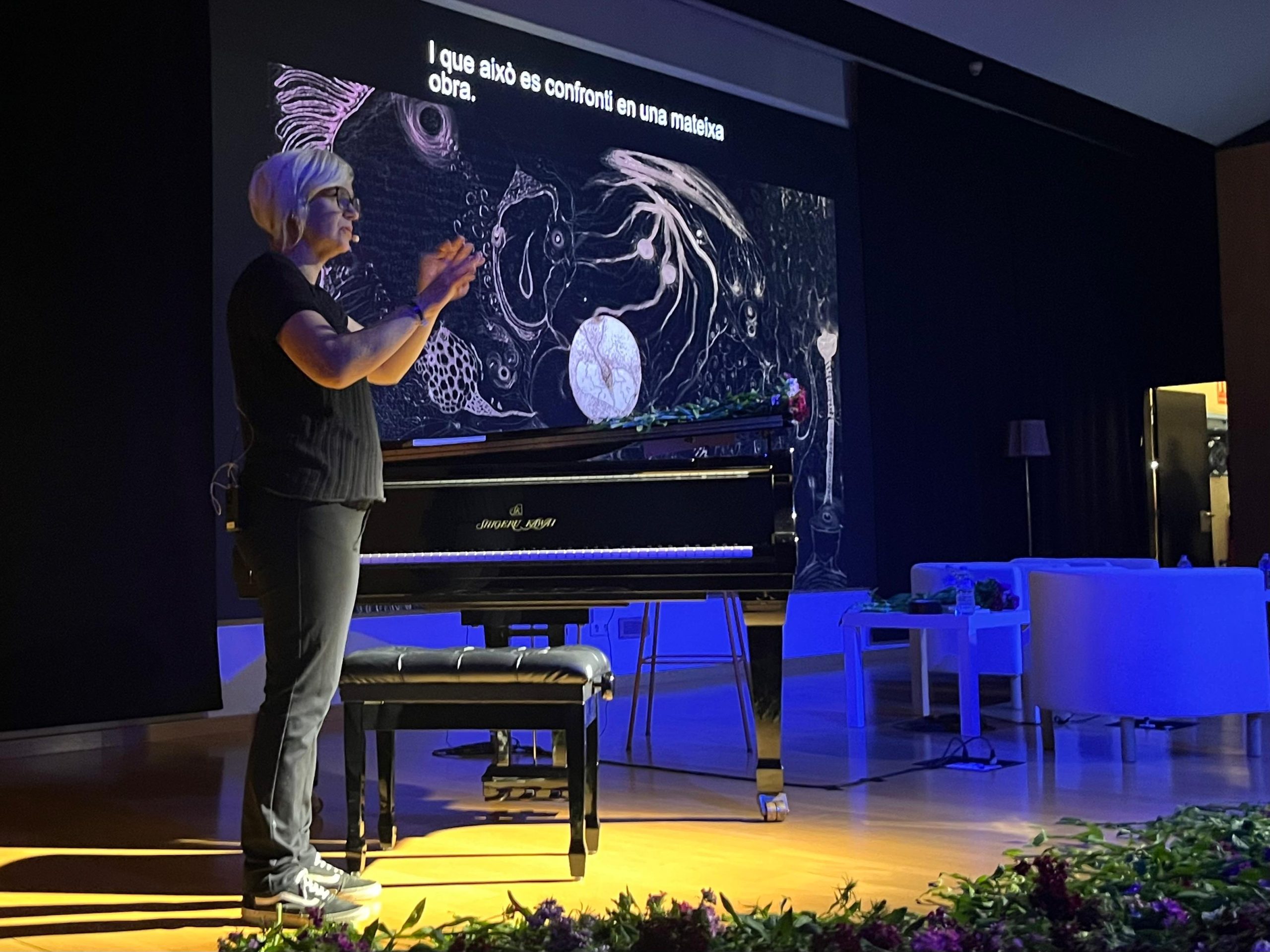
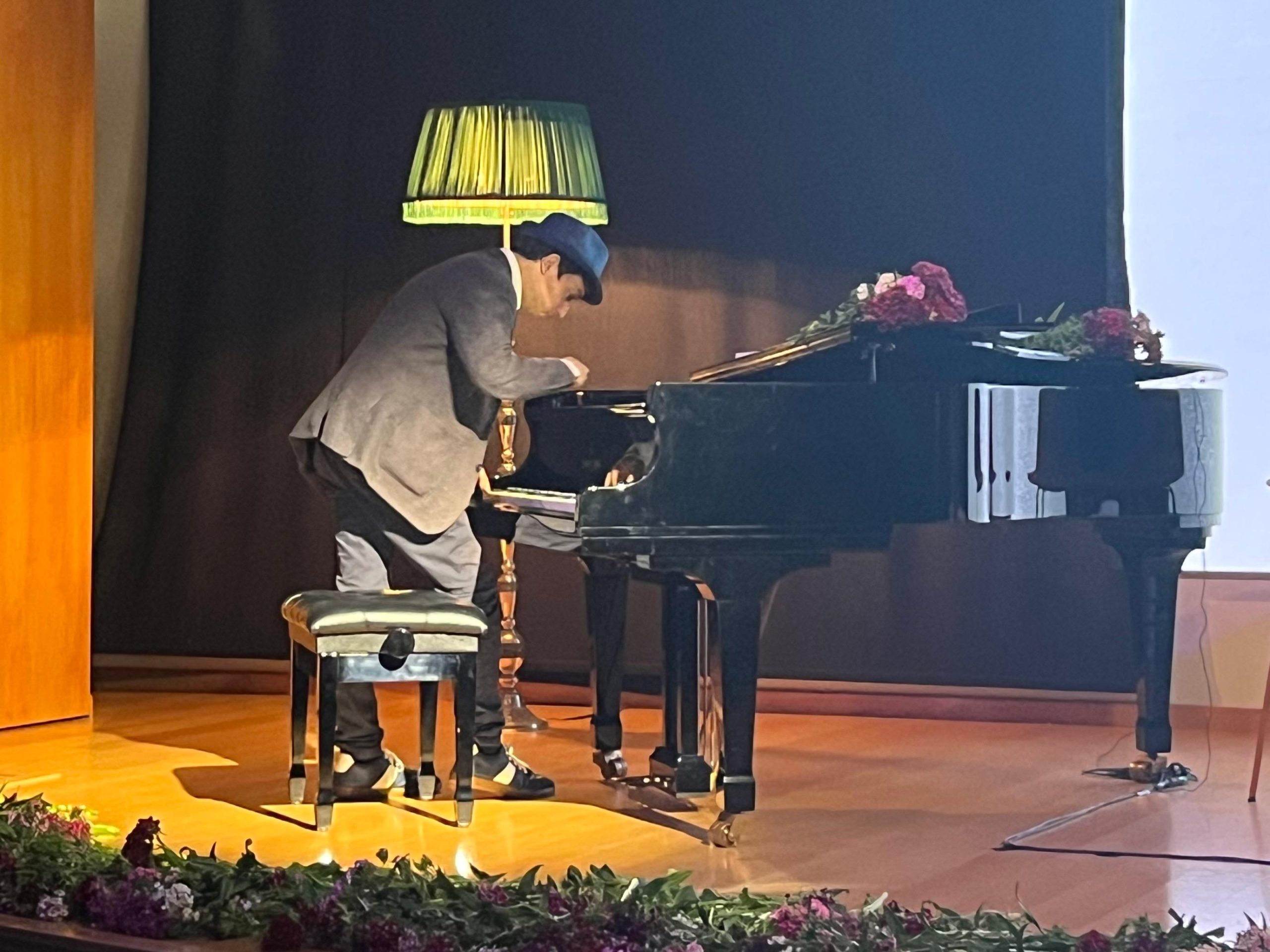
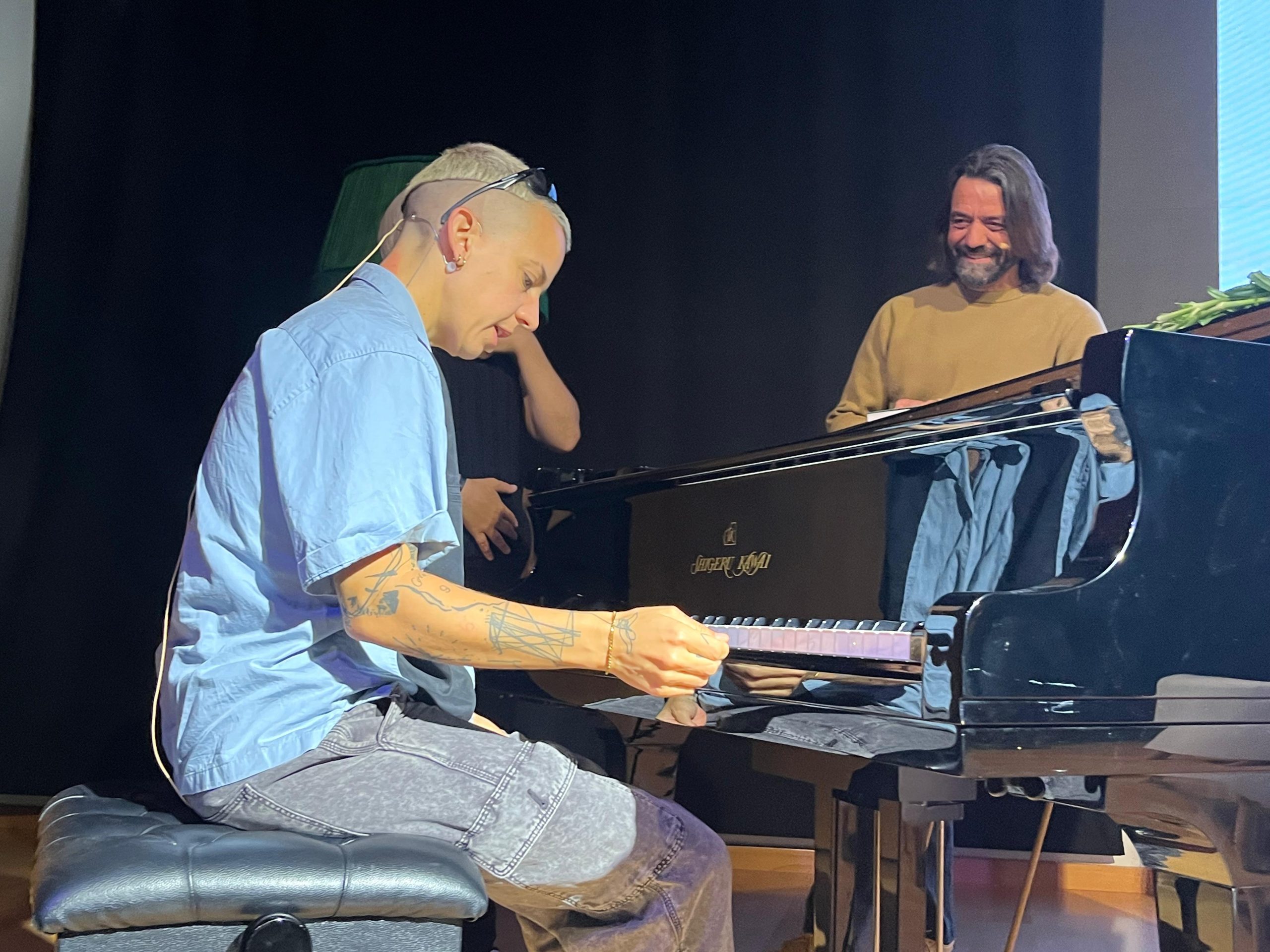
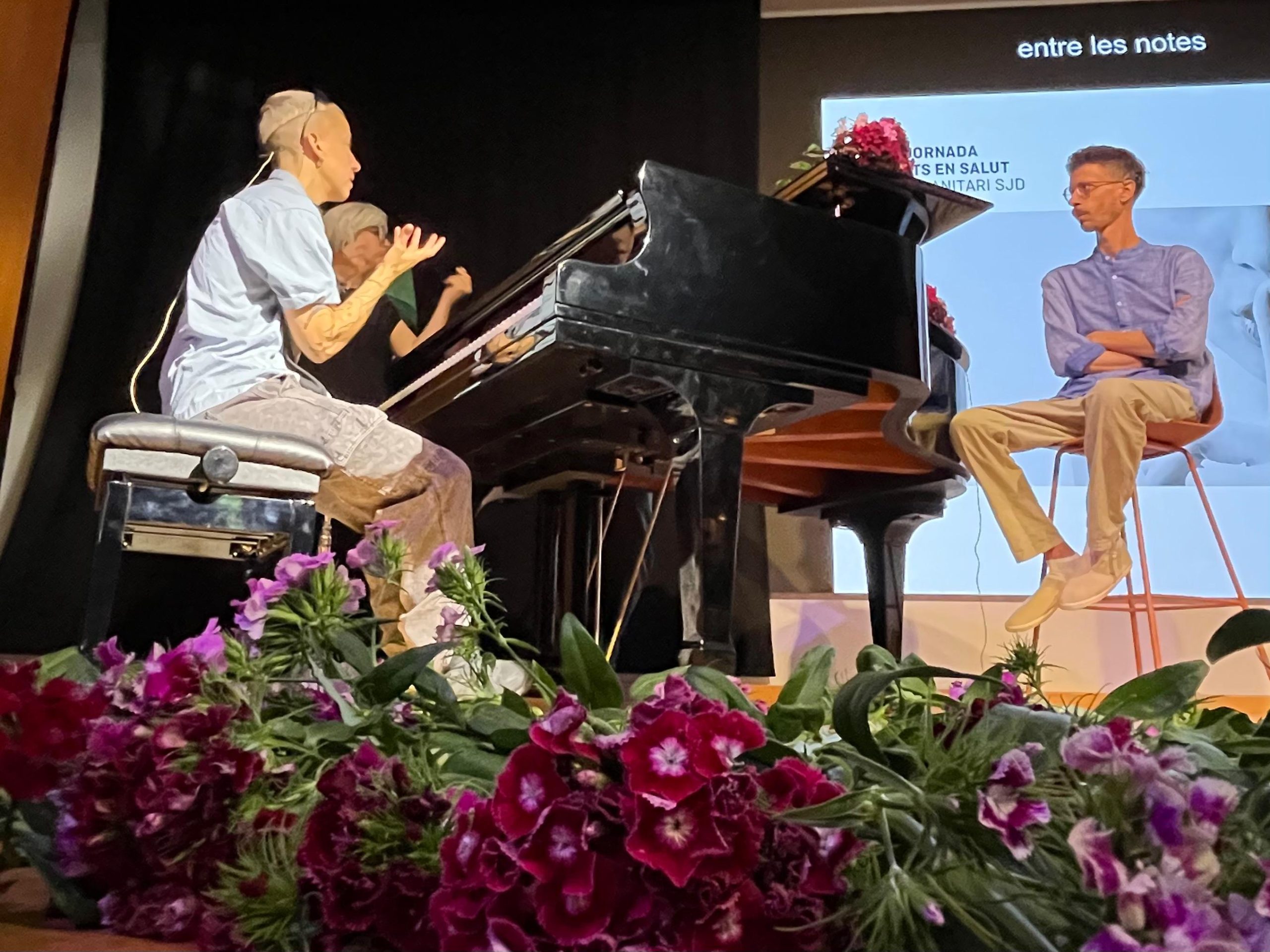
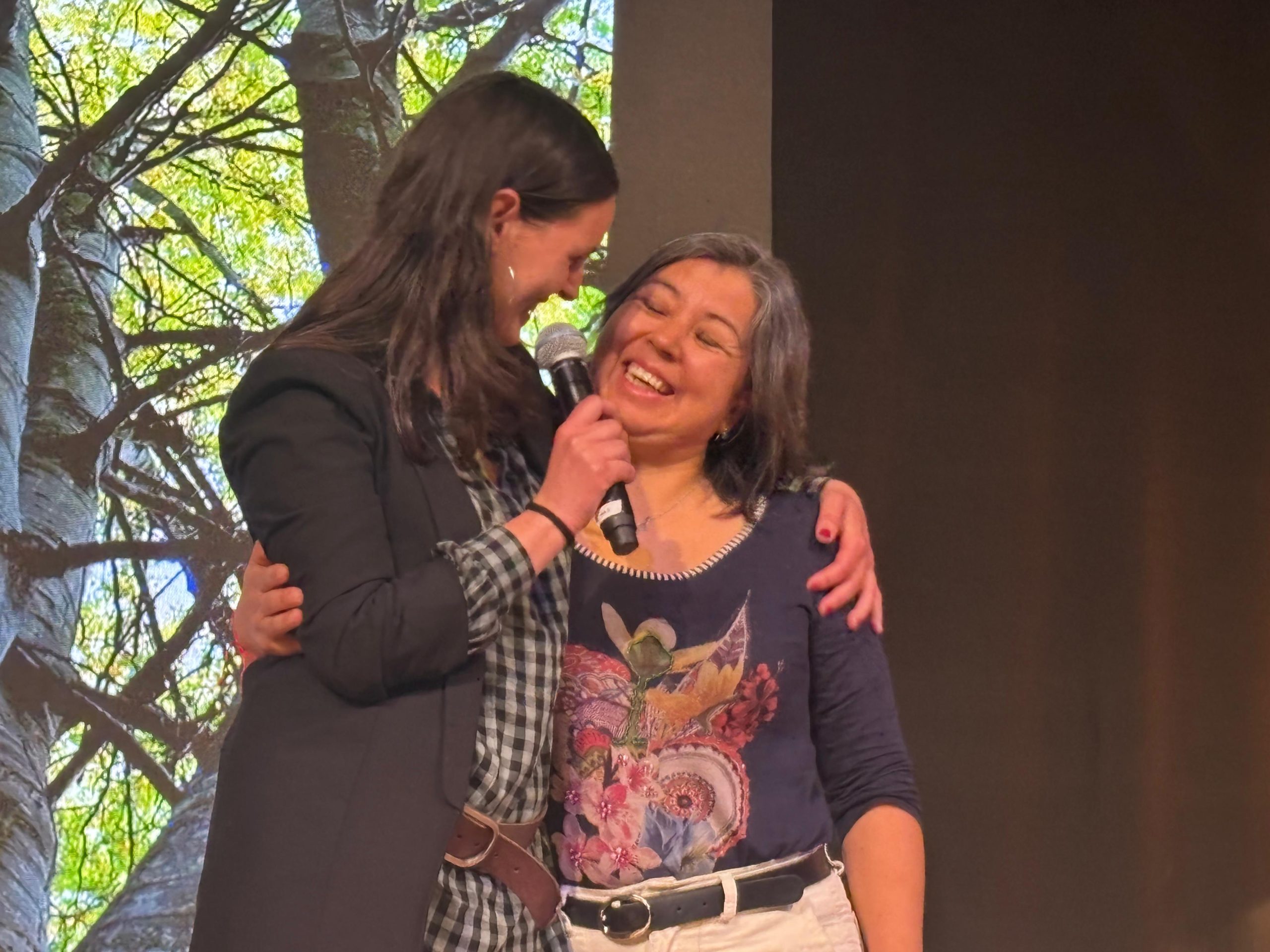
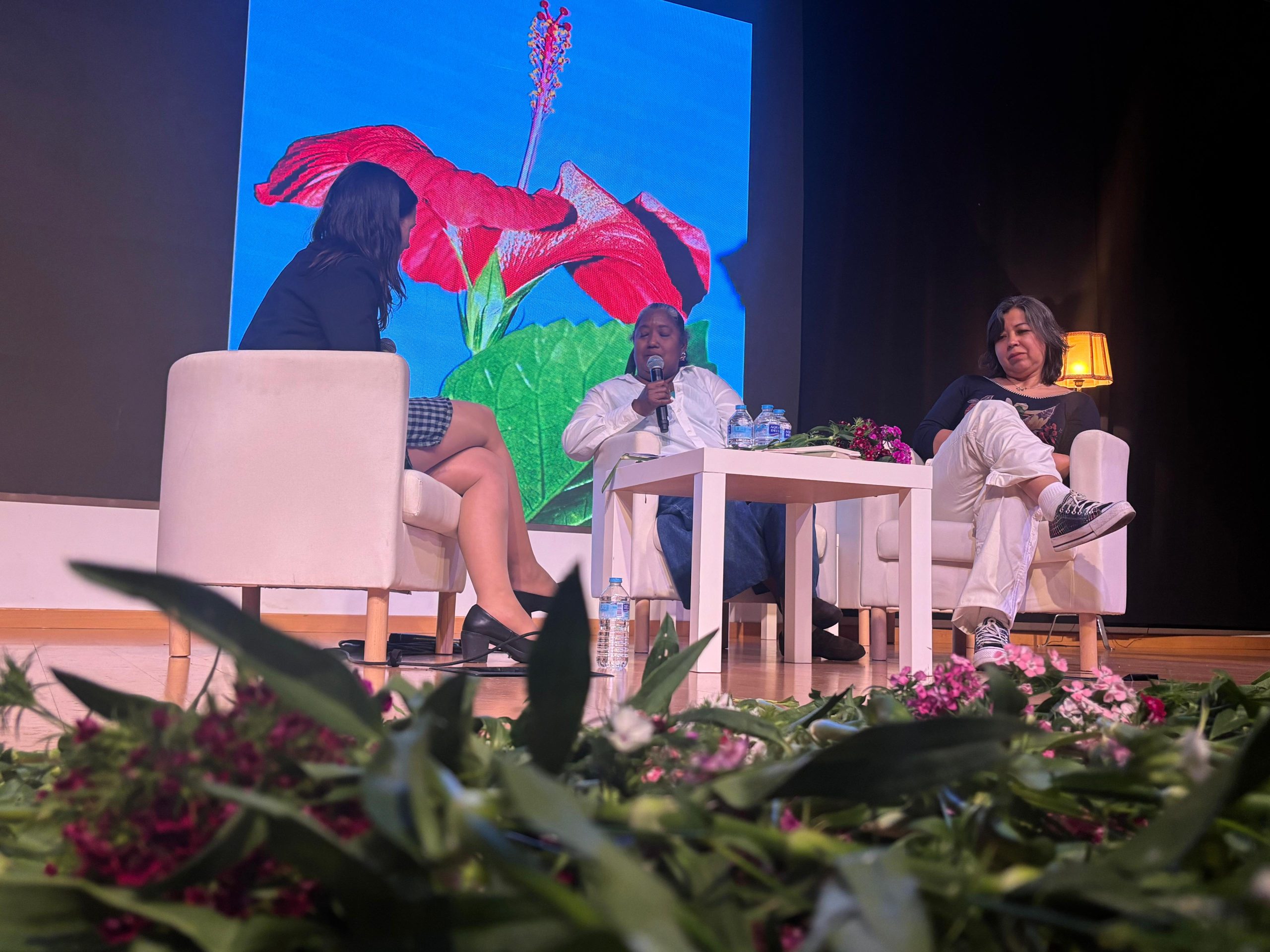
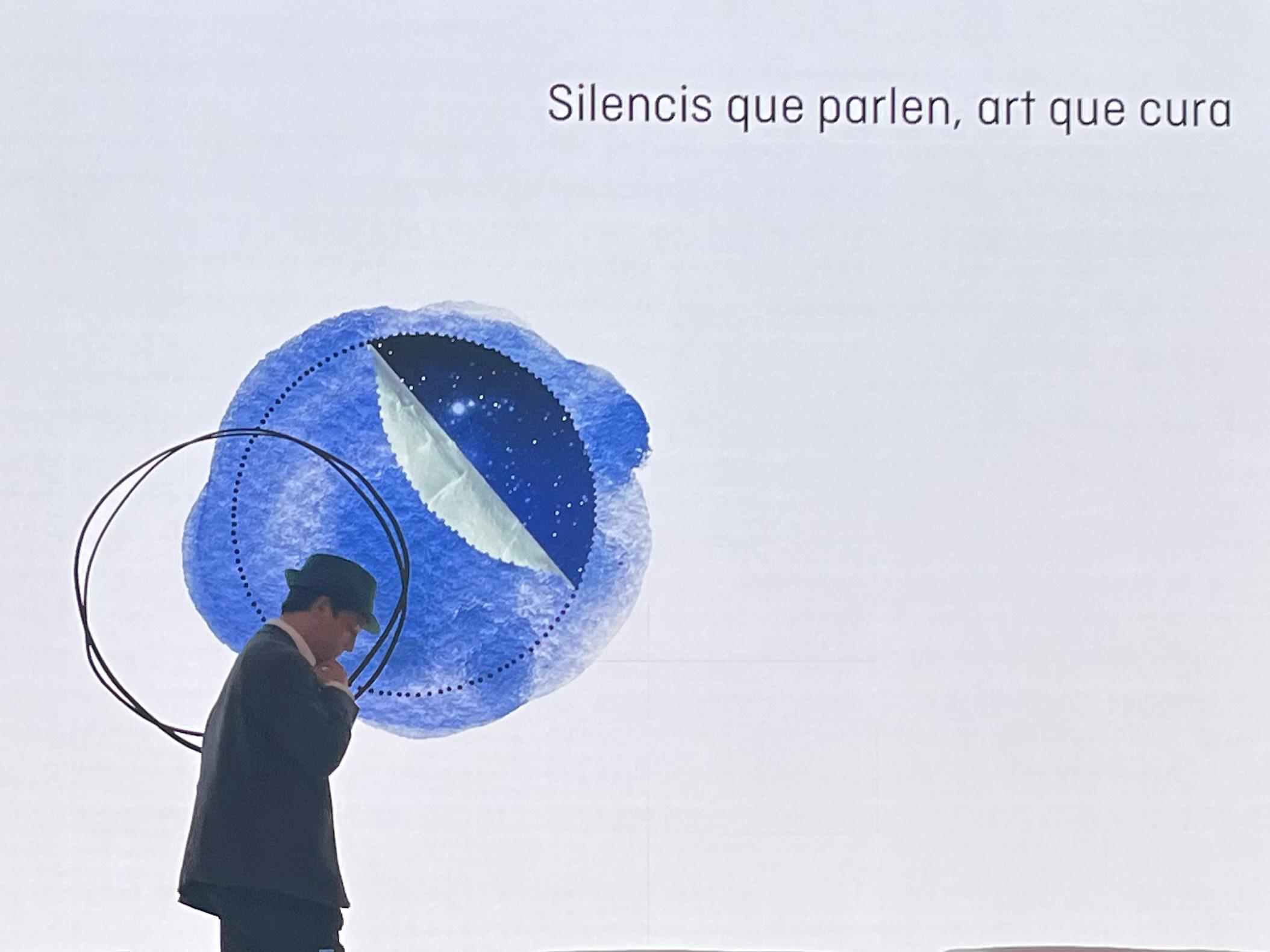
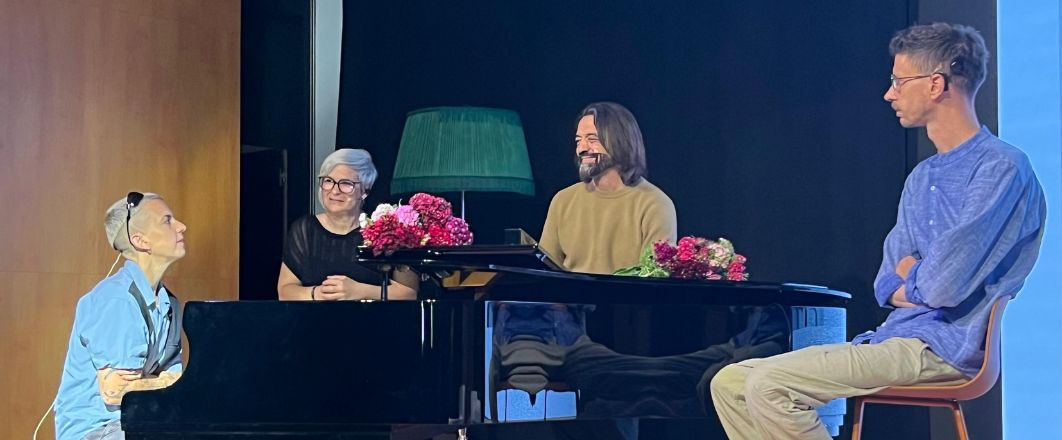
The 8th Arts in Health Conference is part of the Peripheries programme, which in the first half of May puts arts in health at the centre of Parc Sanitari Sant Joan de Déu's activities through the Tastets d'Art programme, a fortnight of artistic events run in venues associated with mental health. The conference, which kicked off with a conversation between pianist Clara Peya and actor Edgar Murillo, explored silence as a protective factor in a hyper-stimulated and especially noisy society. It also provided a platform for service users and people receiving care at Parc Sanitari SJD or involved in projects related to Torrents d’Art. Attendees shared their first-hand experiences and picked out Arts in Health's enormous transformational potential due to art’s capacity as a universal language for connecting with our surroundings, stirring emotions and unlocking change. The final touch was provided by a group of service users from the Brians 2 Intensive Psychiatric Hospitalisation and Rehabilitation Unit, who wrapped up the event with an impromptu musical performance to sum up the proceedings.
Consistent and shared commitment to the design of projects and how they are assessed is essential if this potential is to be realised. Only in this way can Arts in Health ensure its long-term viability and make a sustained contribution to enhancing people's wellbeing and quality of life.