

SJD Sant Boi Hospital consolidates HIV care with nearly 250 patients
- The growth in prevention and follow-up reinforces the role of the Infectious Diseases Unit of the Hospital in the district setting
- The agreement with the NGO Sant Boi en Positiu promotes a comprehensive model that connects clinical and community care
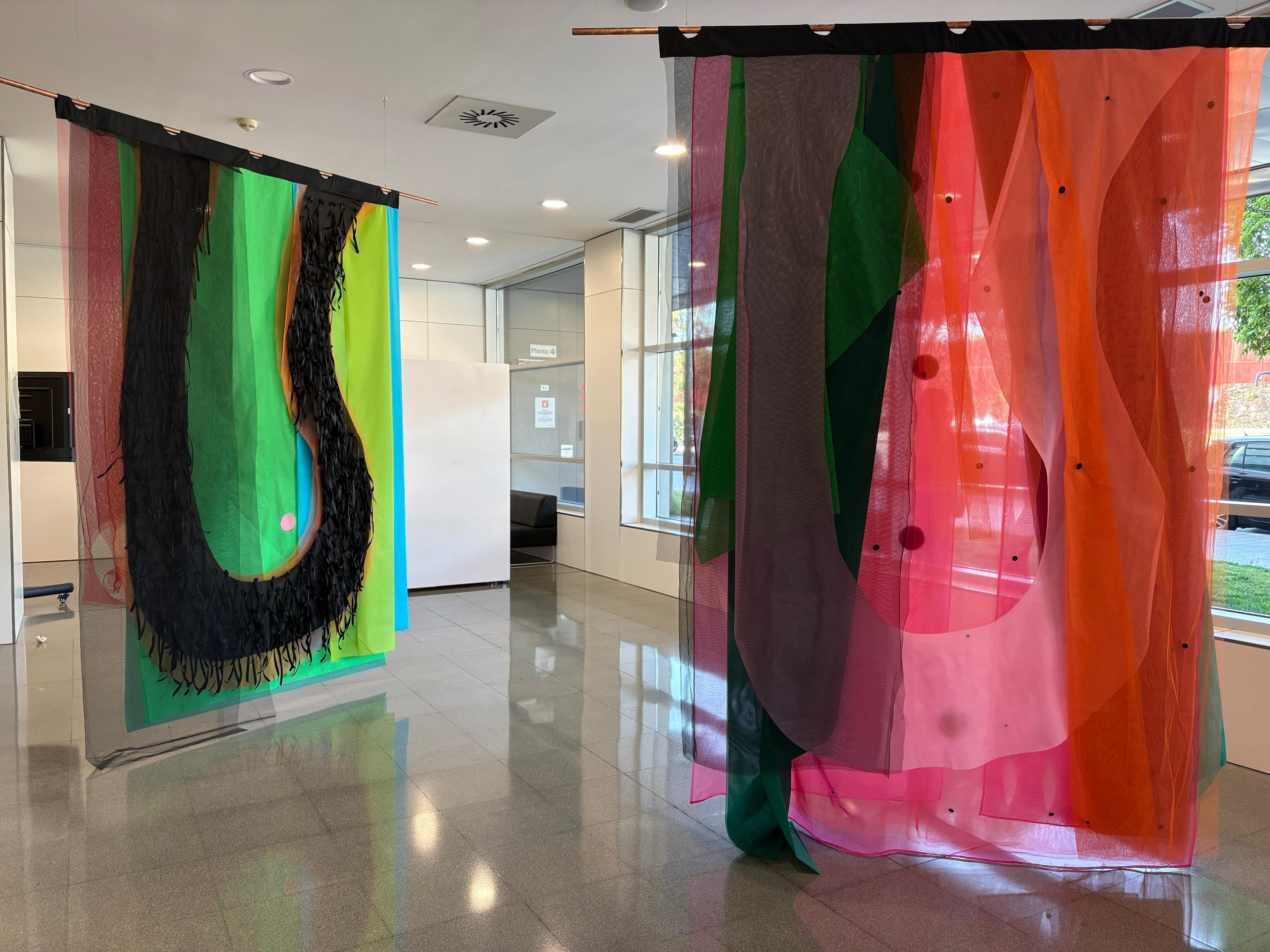
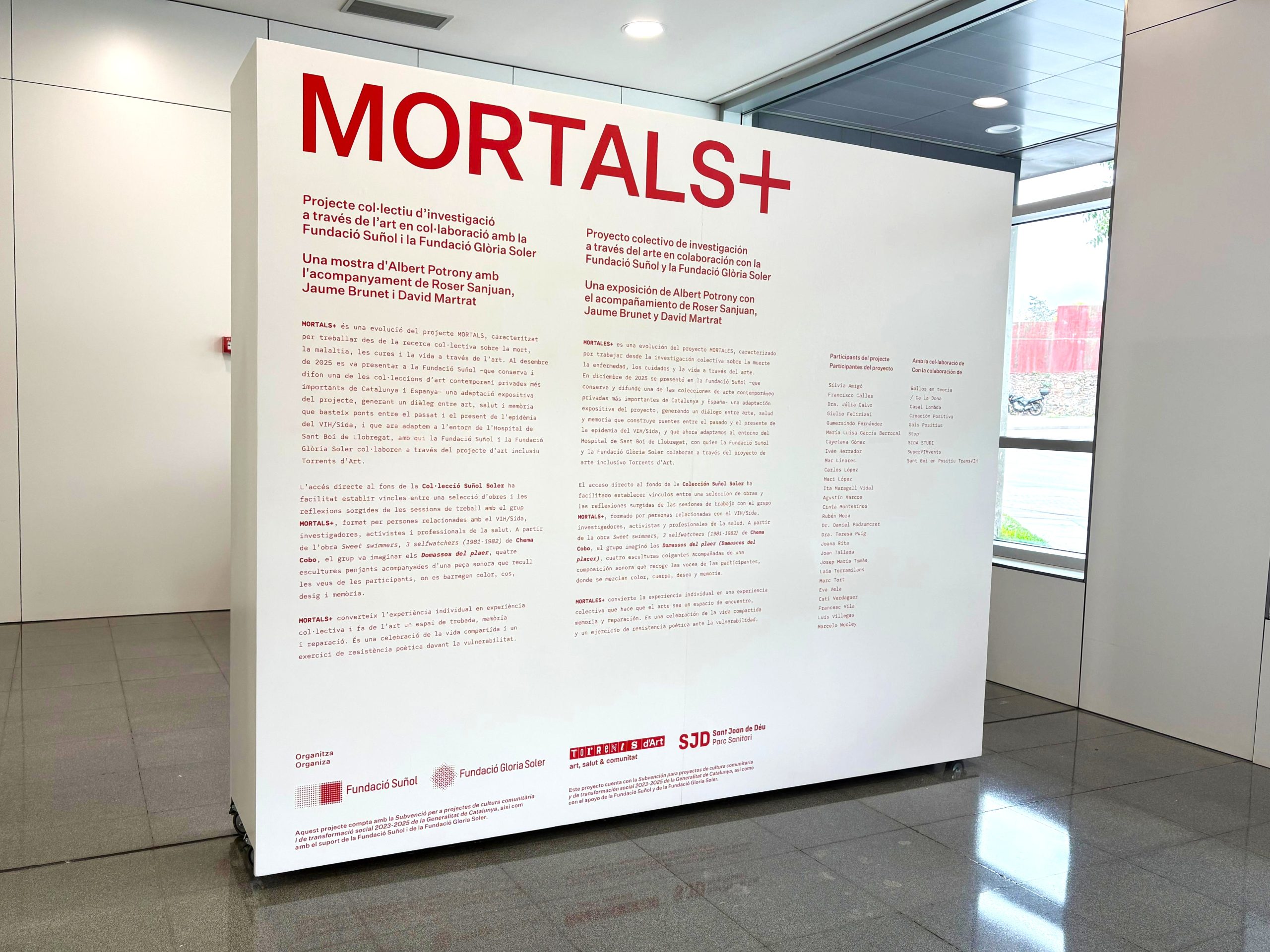
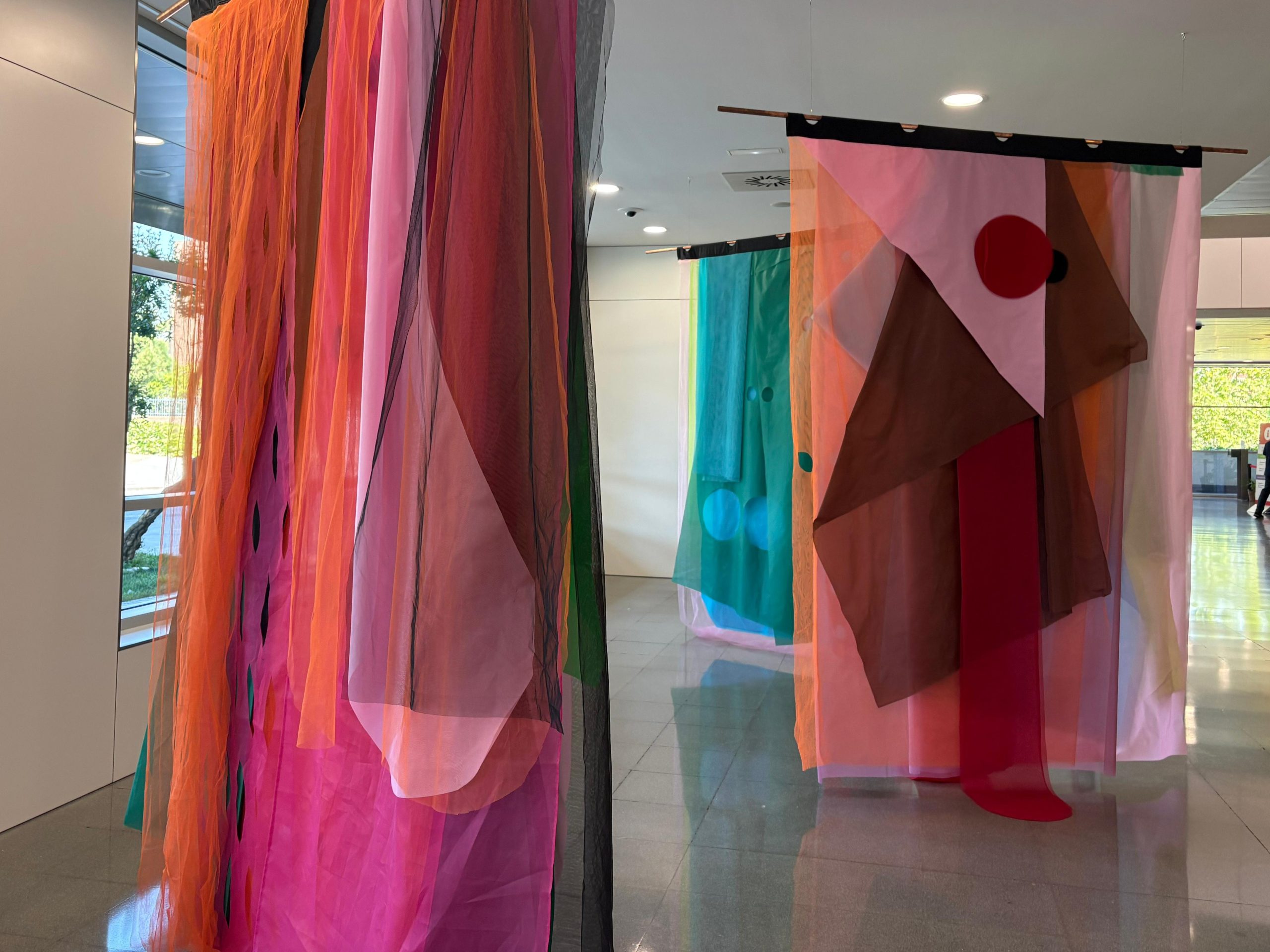
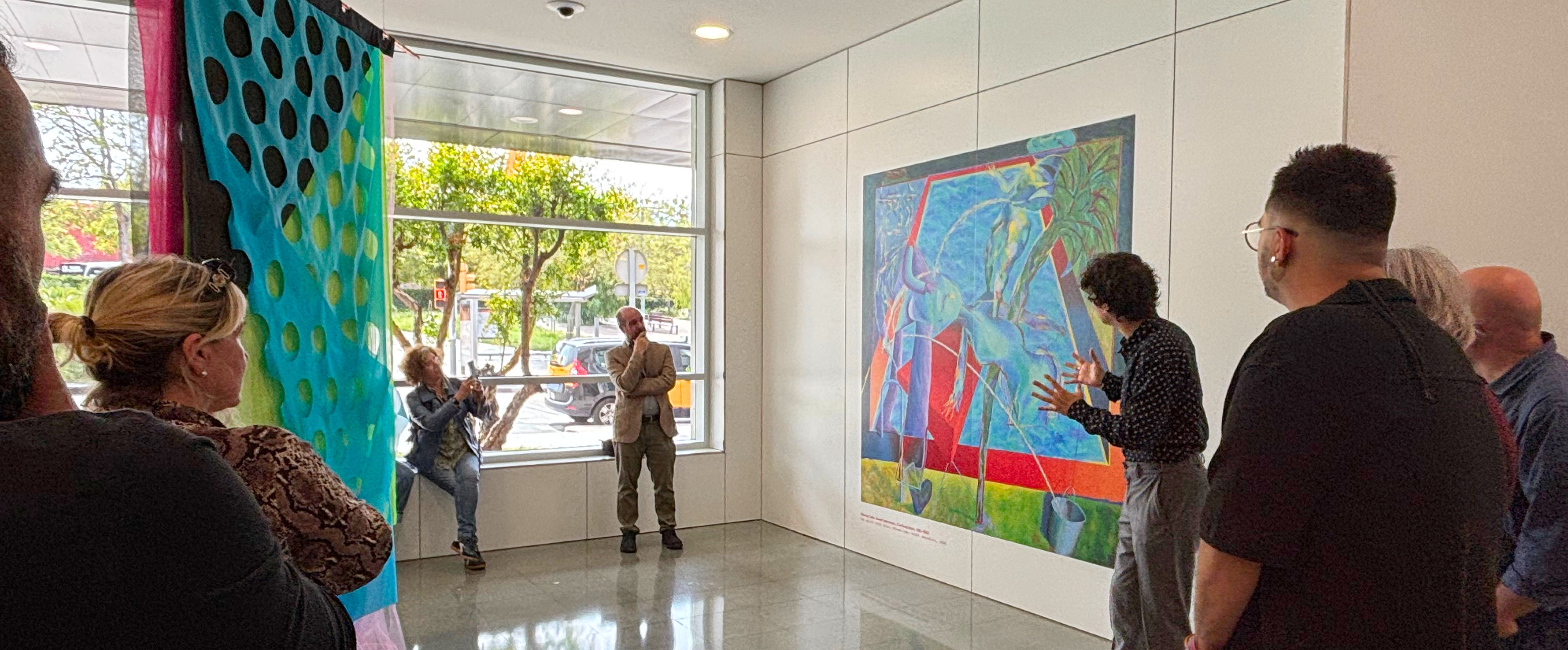
- The Mortals + exhibition materialises this commitment and can be visited until the end of July in the hospital's lobby
With nearly 250 people treated, the HIV Unit at Sant Joan de Déu Sant Boi Hospital stands out for its strong focus on prevention: over 70% are part of the PrEP programme, the preventive treatment that reduces the risk of HIV infection.
In the context of Catalonia's district hospitals, these figures position the centre as a relevant actor in the fight against HIV, especially due to its capacity to deploy preventive and community models.
These figures demonstrate the centre's healthcare capacity and its adaptation to new public health needs. The model goes beyond treatment and incorporates prevention as a key pillar.
A comprehensive model thanks to the alliance with Sant Boi en Positiu
A significant part of this impact is also the result of the joint work with the NGO Sant Boi en Positiu TransVIH. The collaboration agreement between the organisation and the Infectious Diseases Unit makes it possible to deploy a bidirectional working model that integrates the healthcare and community settings.
Since May last year, this coordination has facilitated 41 referrals: 31 people have accessed PrEP and 10 have been referred for the diagnosis of other sexually transmitted infections. The circuit combines early diagnosis, community support and specialised medical follow-up.
"We have a referral protocol: people take the test at the NGO and, if they are positive, they are referred to us so we can follow up on them, and we also refer patients who can benefit from community support," explains Dr Vicens Díaz de Brito, Head of the Infectious Diseases Service. "Talking to a person who also lives with HIV has fascinating results, because it is often a very restorative process," he adds.
This approach allows people to be cared for in a comprehensive way and incorporates both clinical care and emotional and social support. This element is key to combating the stigma associated with HIV.
Mortals +: art and community to make visible what is often unseen
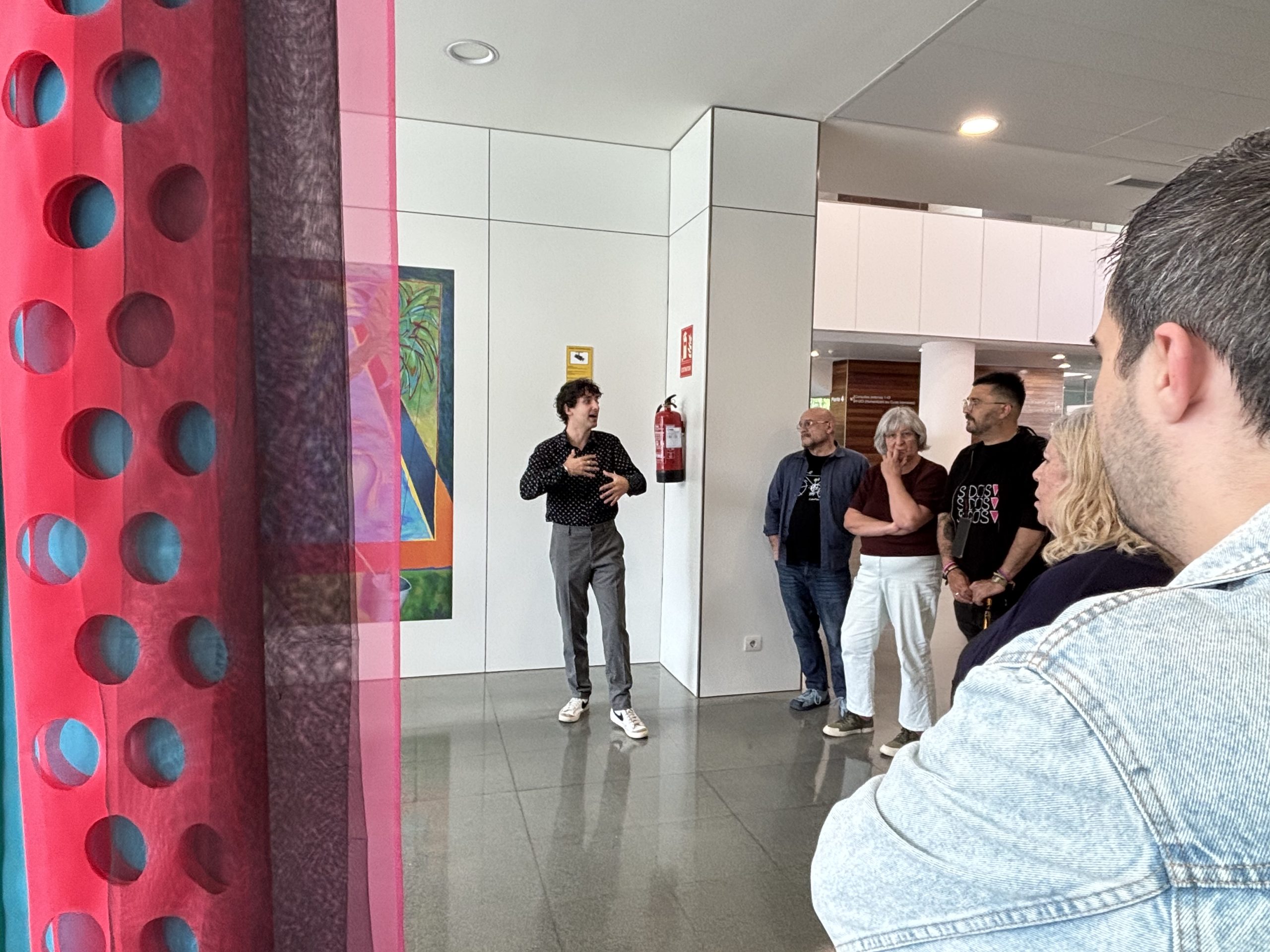
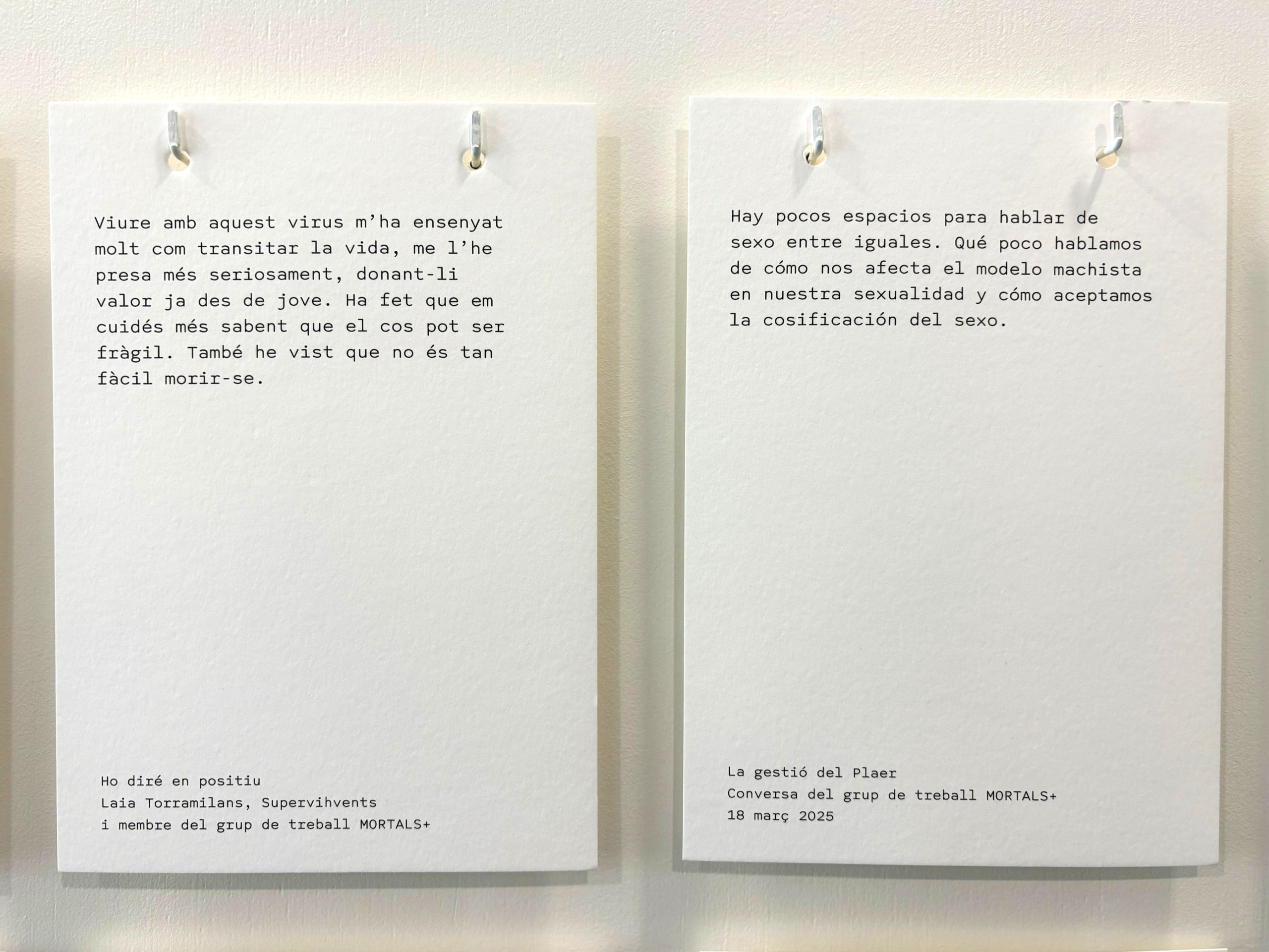
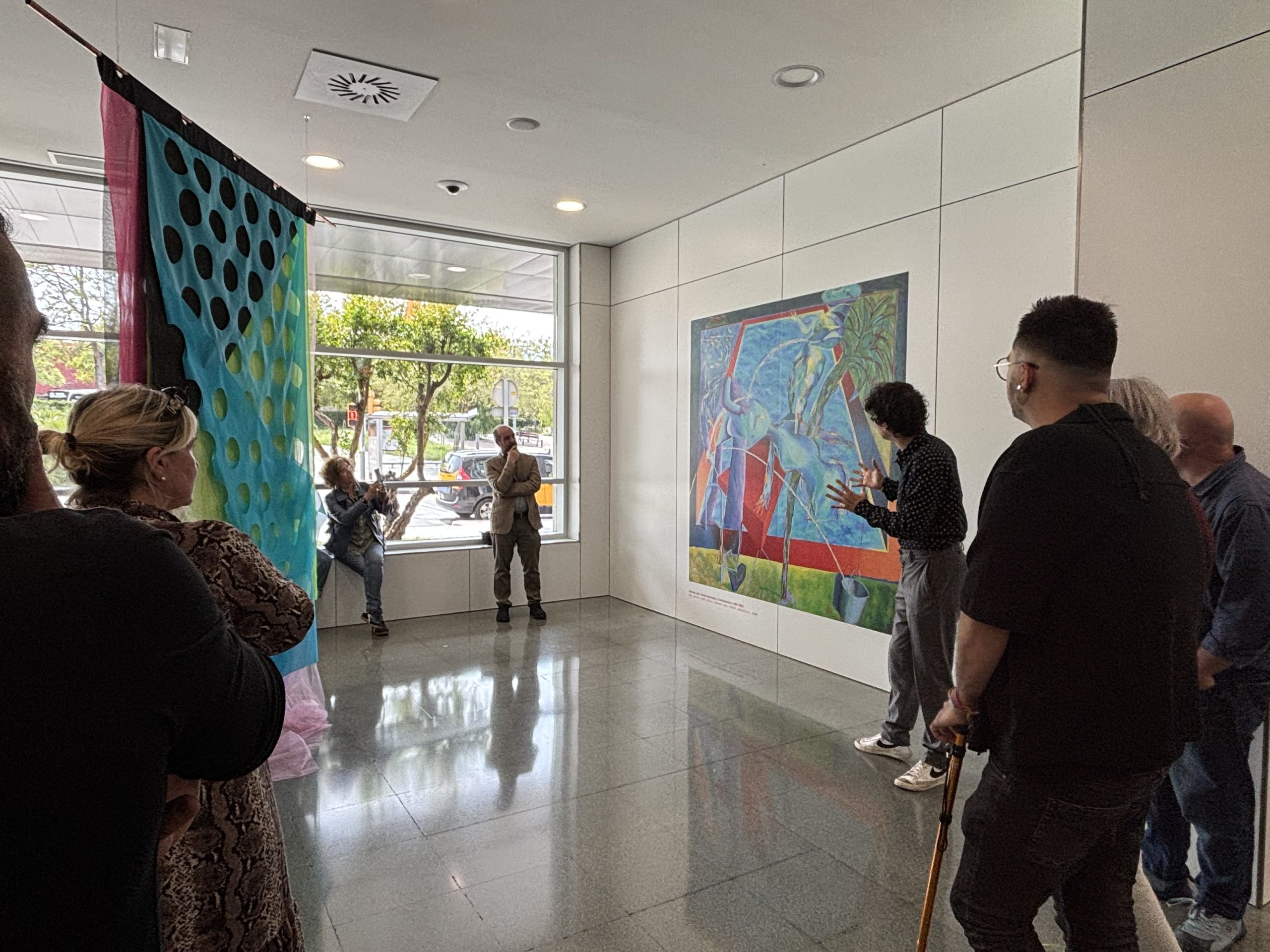
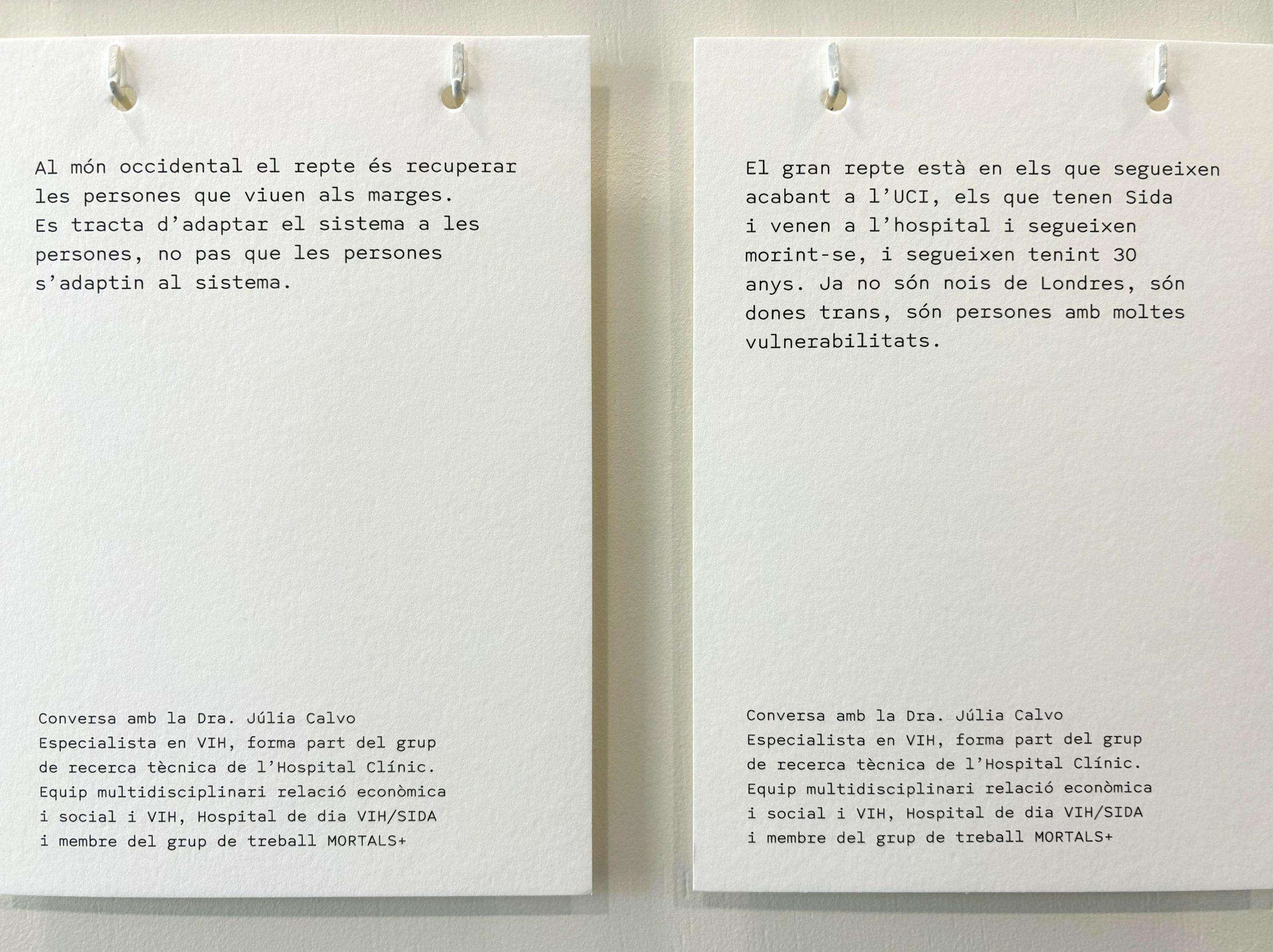
In this context, until the end of July, the hospital's lobby is hosting Mortals +, an exhibition promoted by the Fundació Suñol and the Fundació Glòria Soler that reflects this commitment to the community.
The project, led by the artist Albert Potrony and the cultural manager Roser Sanjuan, captures a collective working process with people linked to HIV and with the active participation of Sant Boi en Positiu. This involvement makes it possible to incorporate the first-person voice and translate the community experience into artistic expression.
"The exhibition stems from the need to share experiences: desire, losses, stigma... everything that still today runs through the lives of many of us living with HIV," explains Ivan Herrador, president of Sant Boi en Positiu TransVIH.
Installed in a transit area, the exhibition invites people to stop and opens a space for collective reflection. Beyond its artistic dimension, it becomes an awareness-raising tool that connects art, health and memory and reinforces the link between the Hospital and its surroundings.
ART Tastings: culture and health in the area
Mortals + is part of the second edition of Tastets d’ART, which since the beginning of May has been bringing cultural and community projects to the local area through a free programme open to everyone.
The initiative is part of the Perifèries programme, by Torrents d’Art, the Arts in Health programme of the Parc Sanitari Sant Joan de Déu, and highlights the potential of art as a tool for well-being, expression and social transformation, especially in contexts of vulnerability.
With proposals like this, the Parc Sanitari Sant Joan de Déu reaffirms its commitment to Arts in Health and a perspective on health that integrates the cultural and community dimensions.